




Up to New Discoveries
Helping little hands reach, explore and take on the world their way.

Tested to toy safety standards
2-year structural warranty
Adjusts as they grow
Water-based, non-toxic finishes
30-day returns, hassle-free
Best Sellers
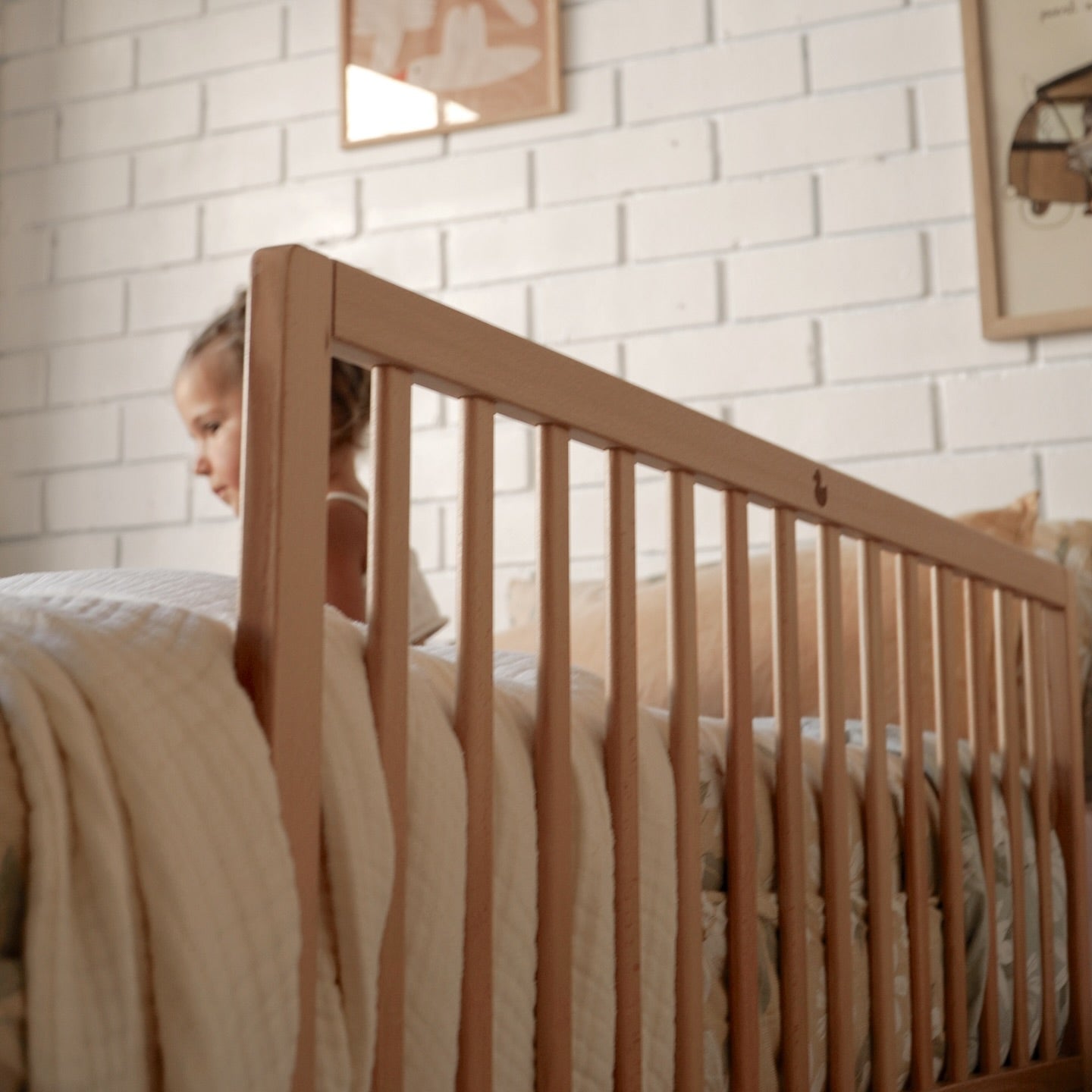
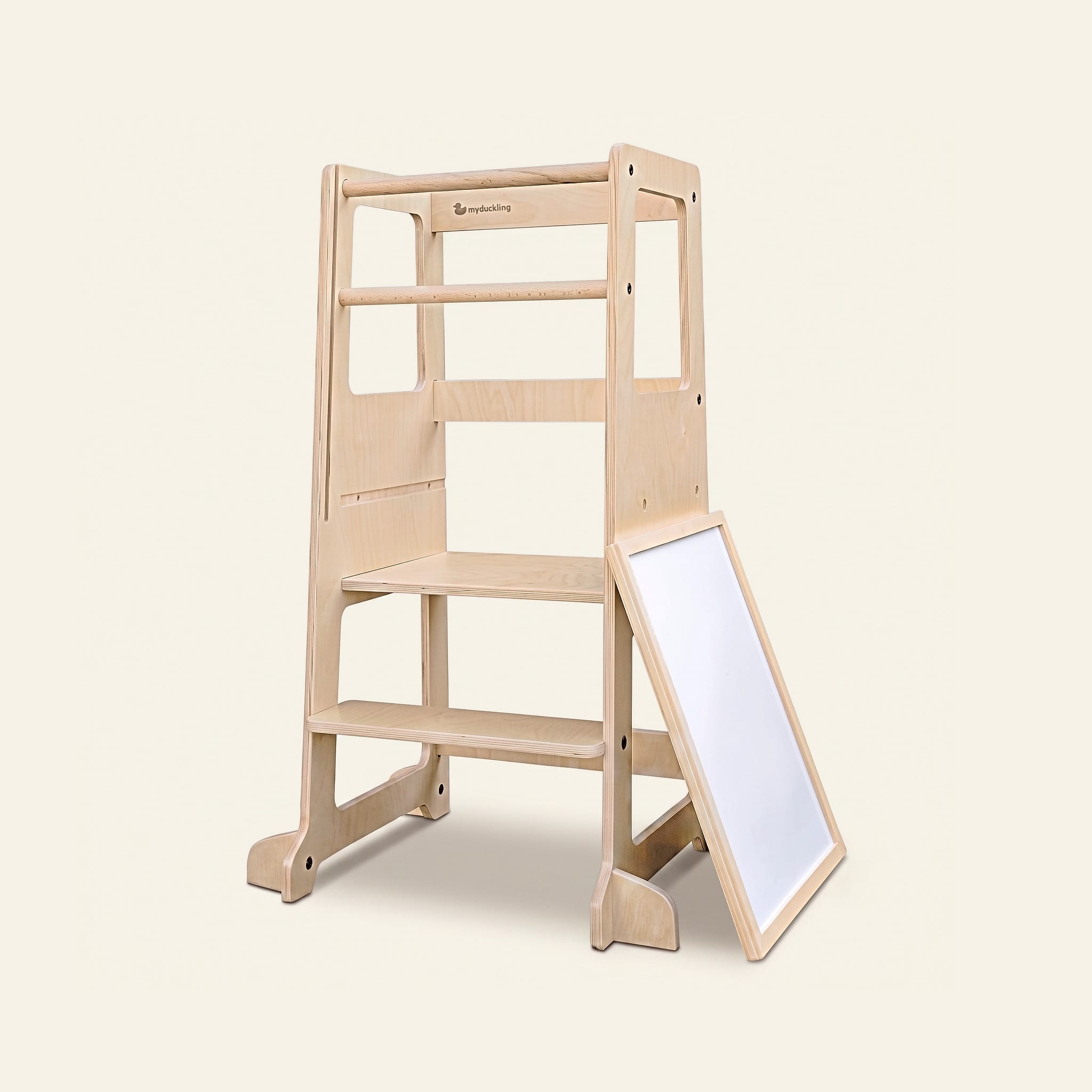
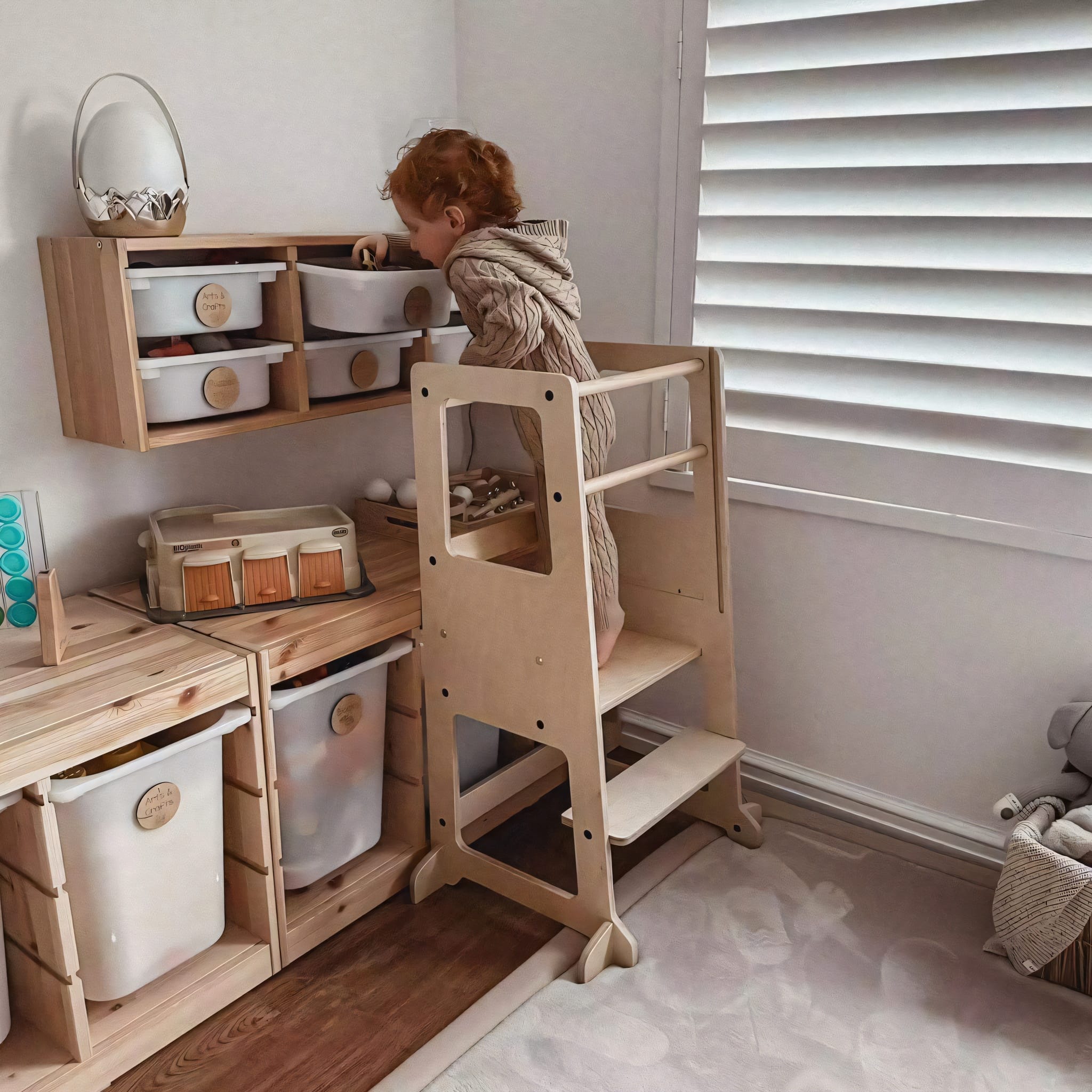
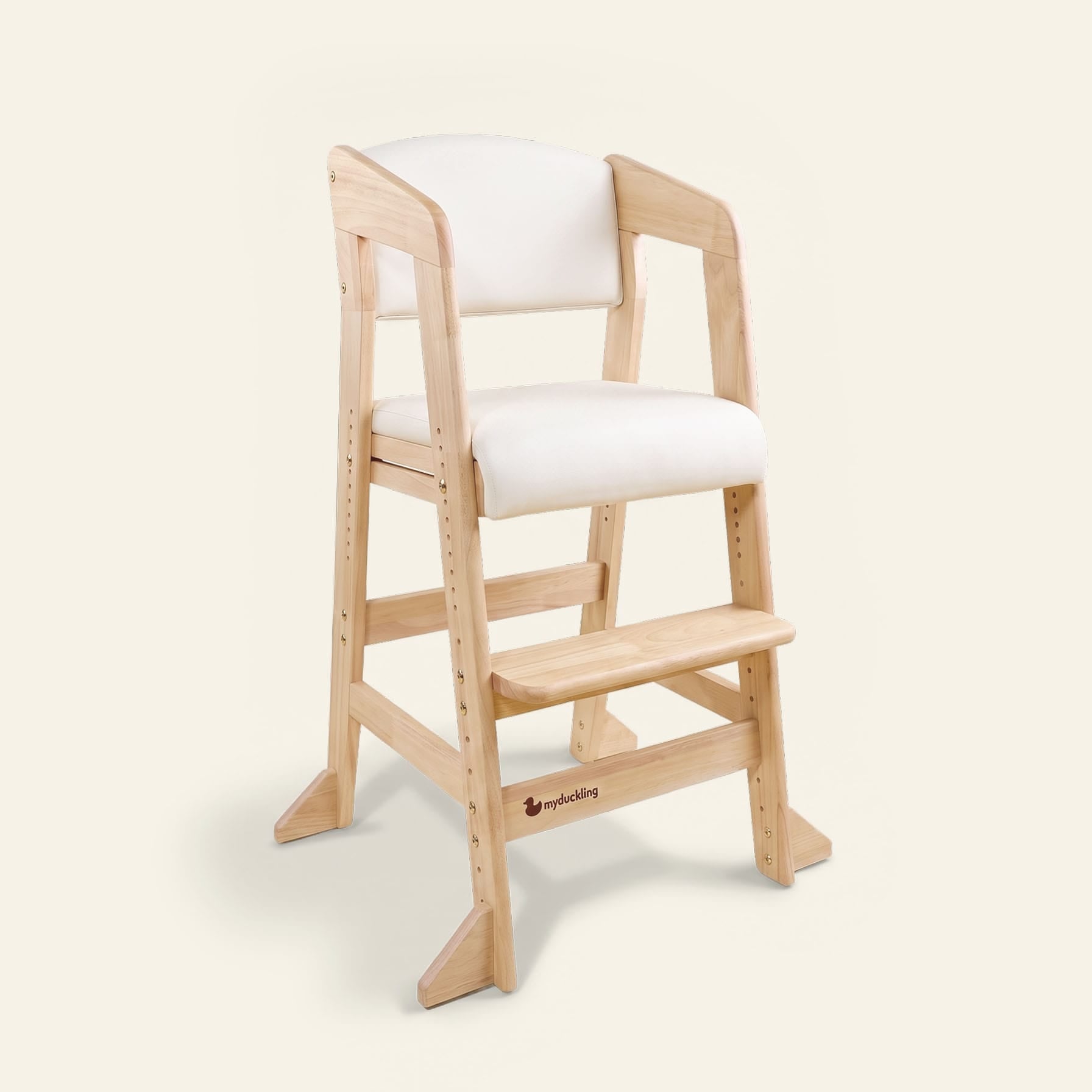
The best treat on the street
Trick-or-treat is sweeter with myduckling. This Halloween, give a gift card they’ll unwrap long after the candy’s gone. Shop Gift Cards →
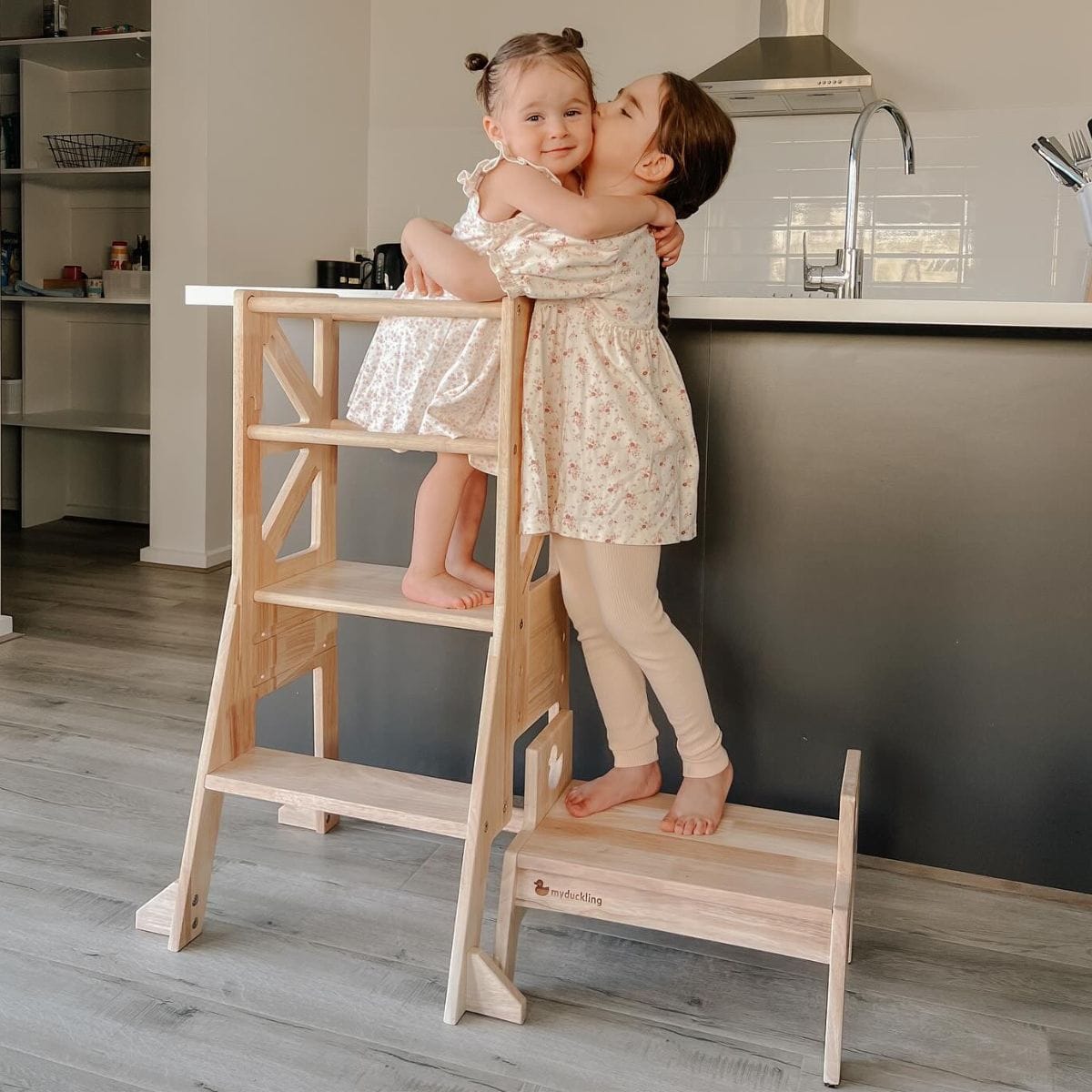
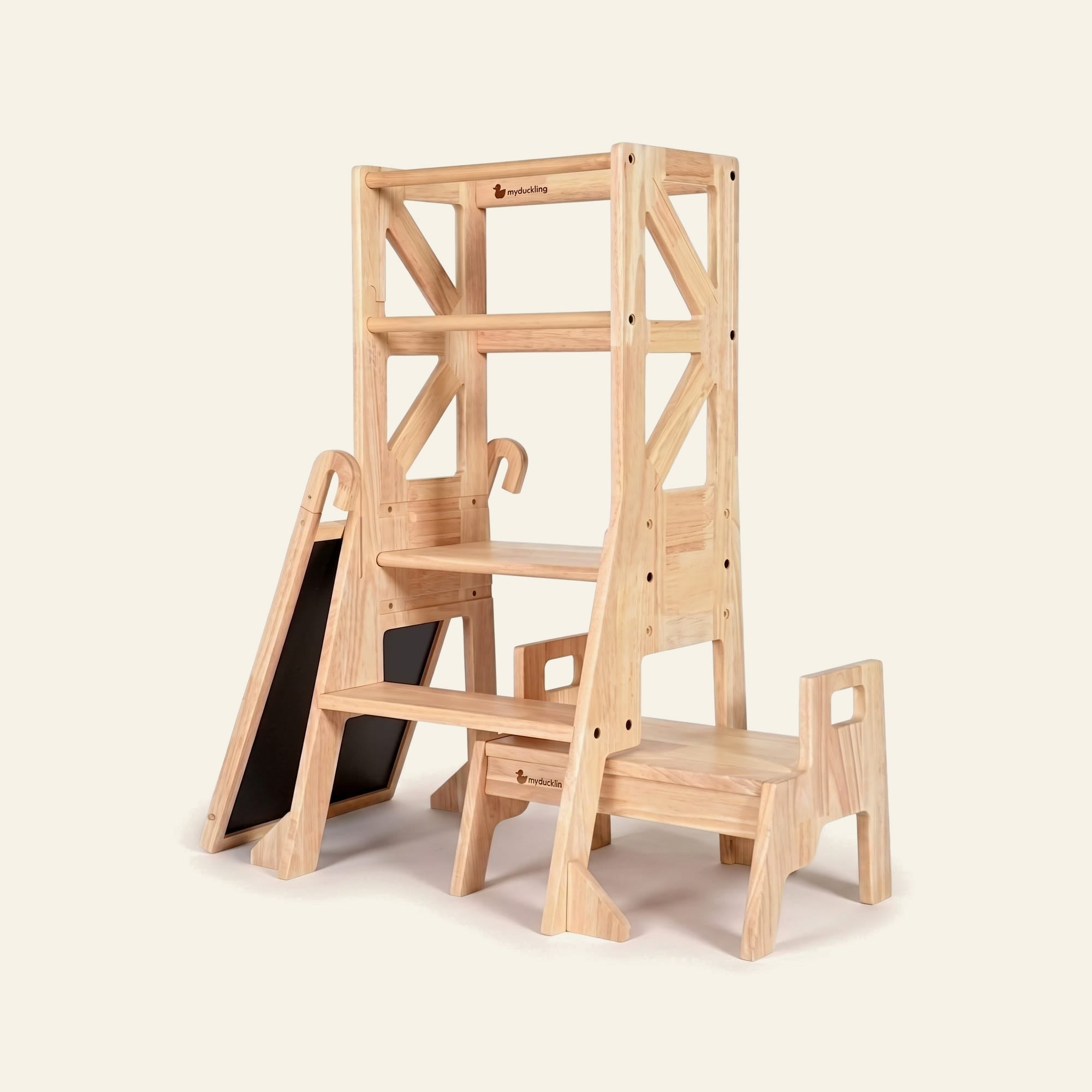
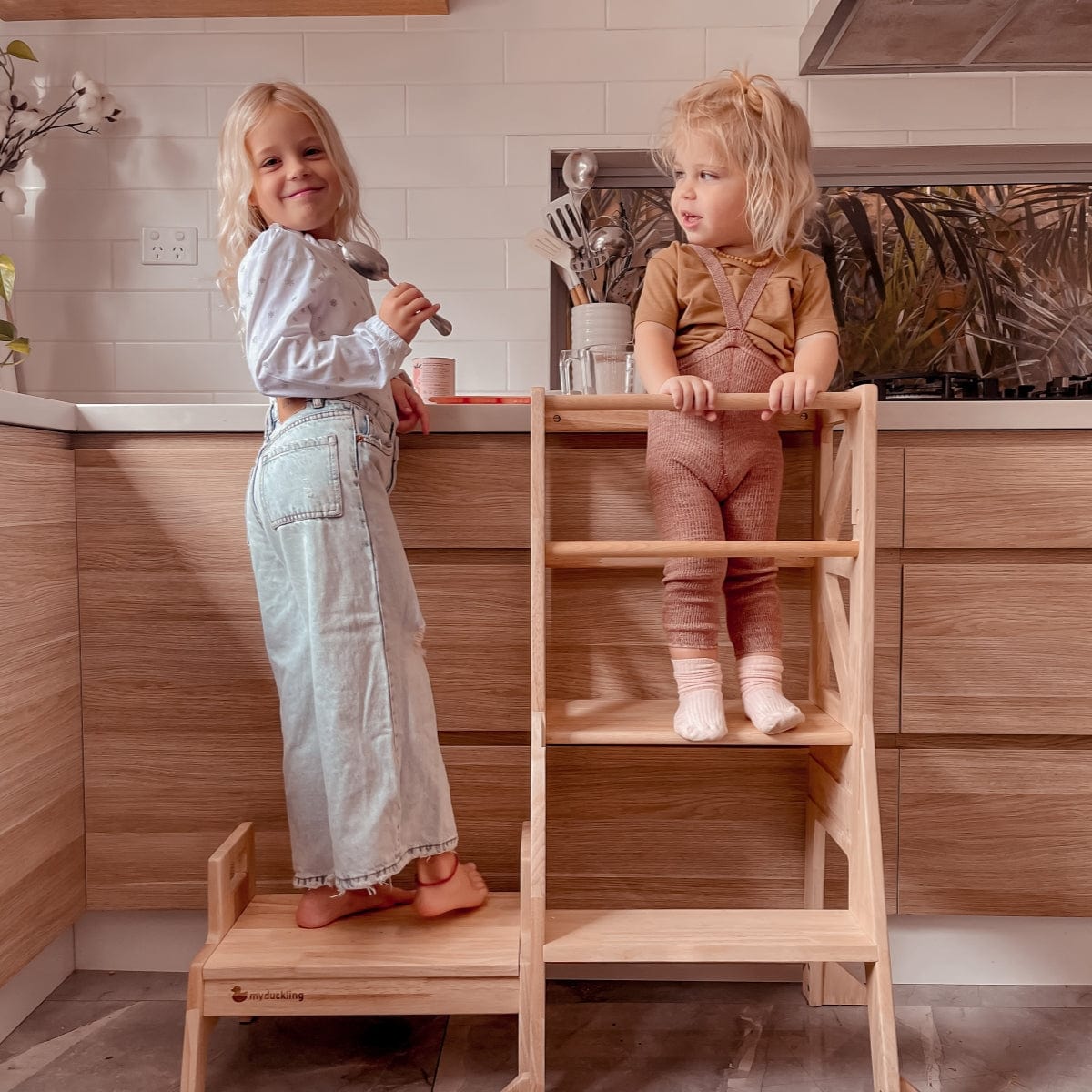
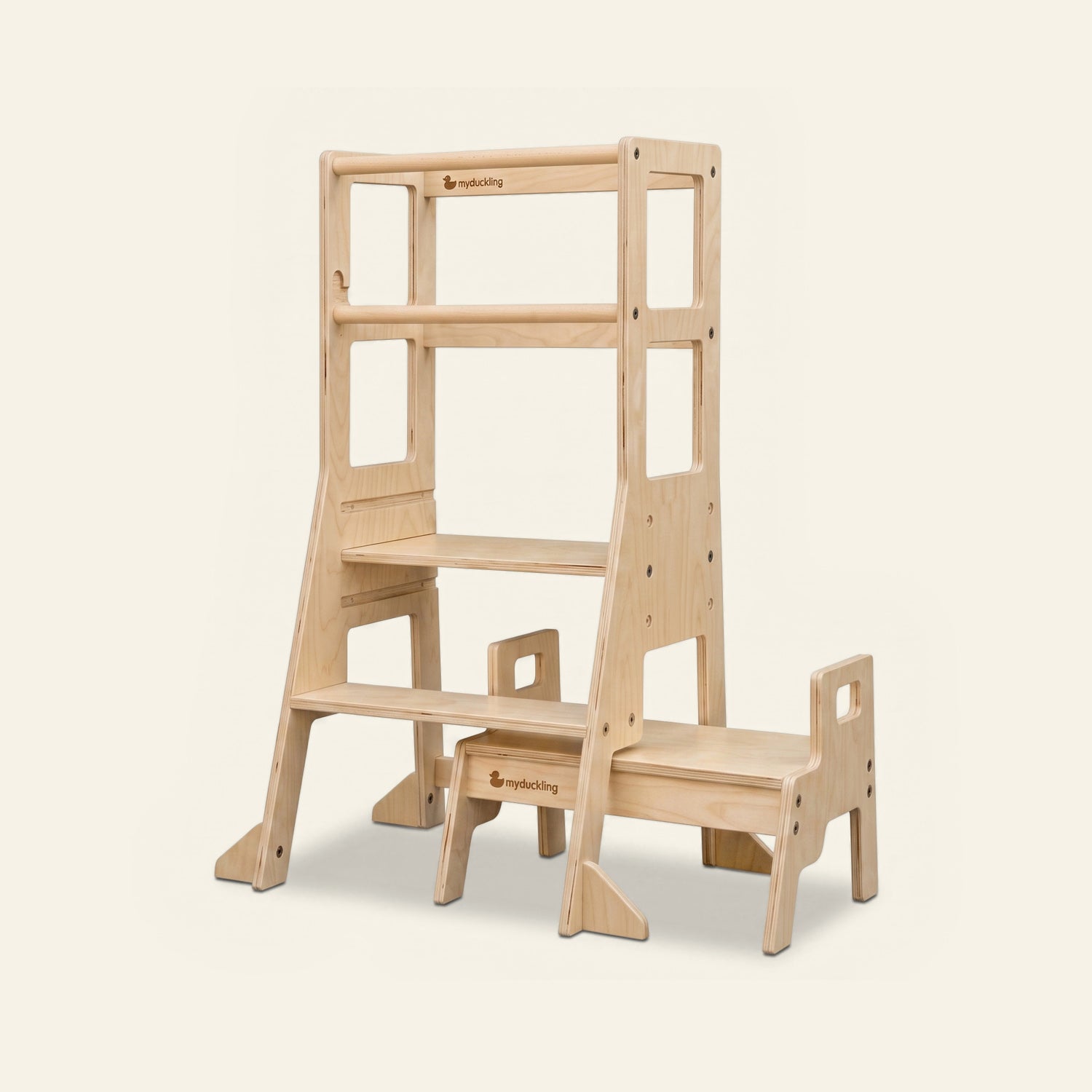
Let customers speak for us

Absolutely LOVE it. Amazing solid quality. Well designed and love the functionality. Generous size can last to adult

Quality, sturdy product which was easy to put together. Excellent customer service.

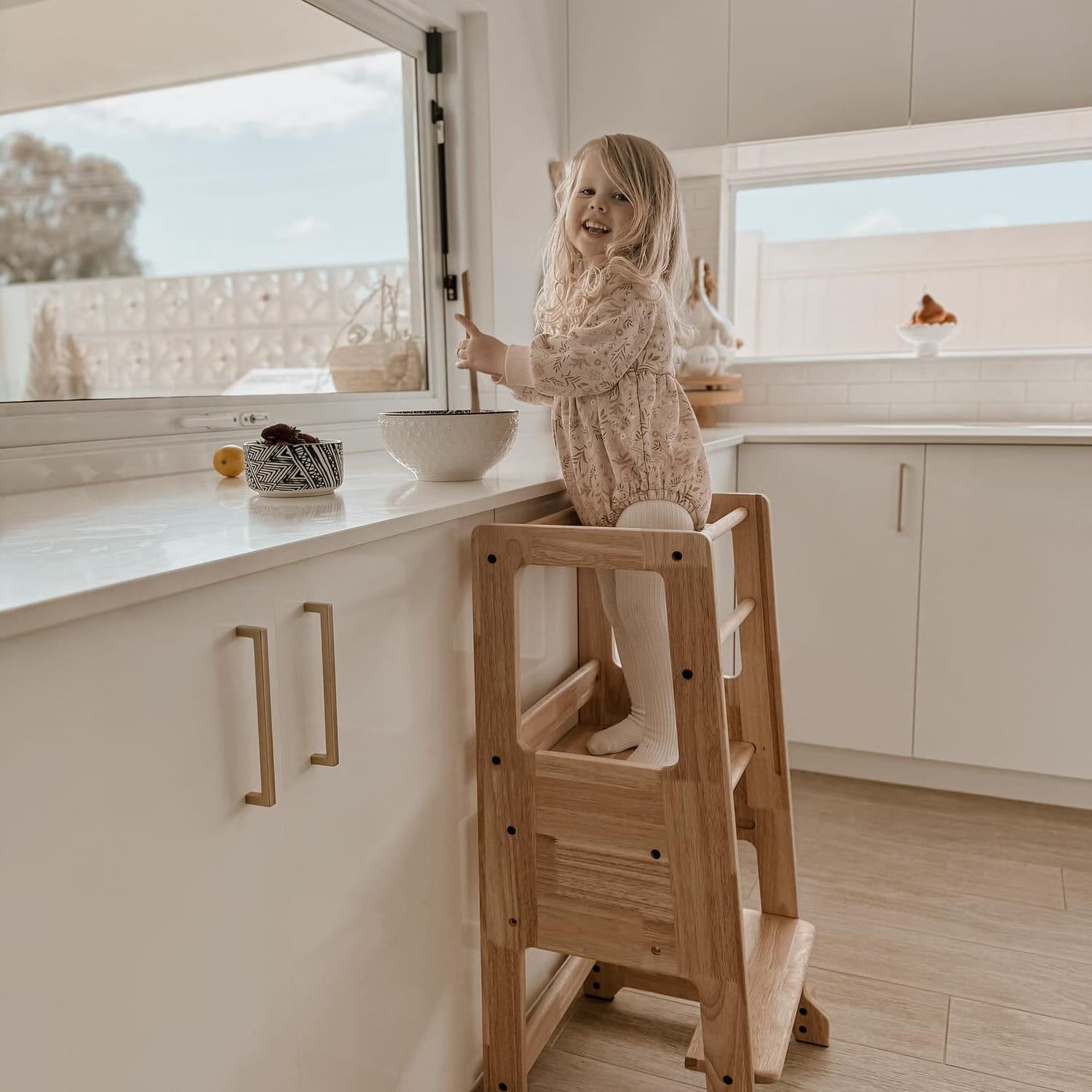
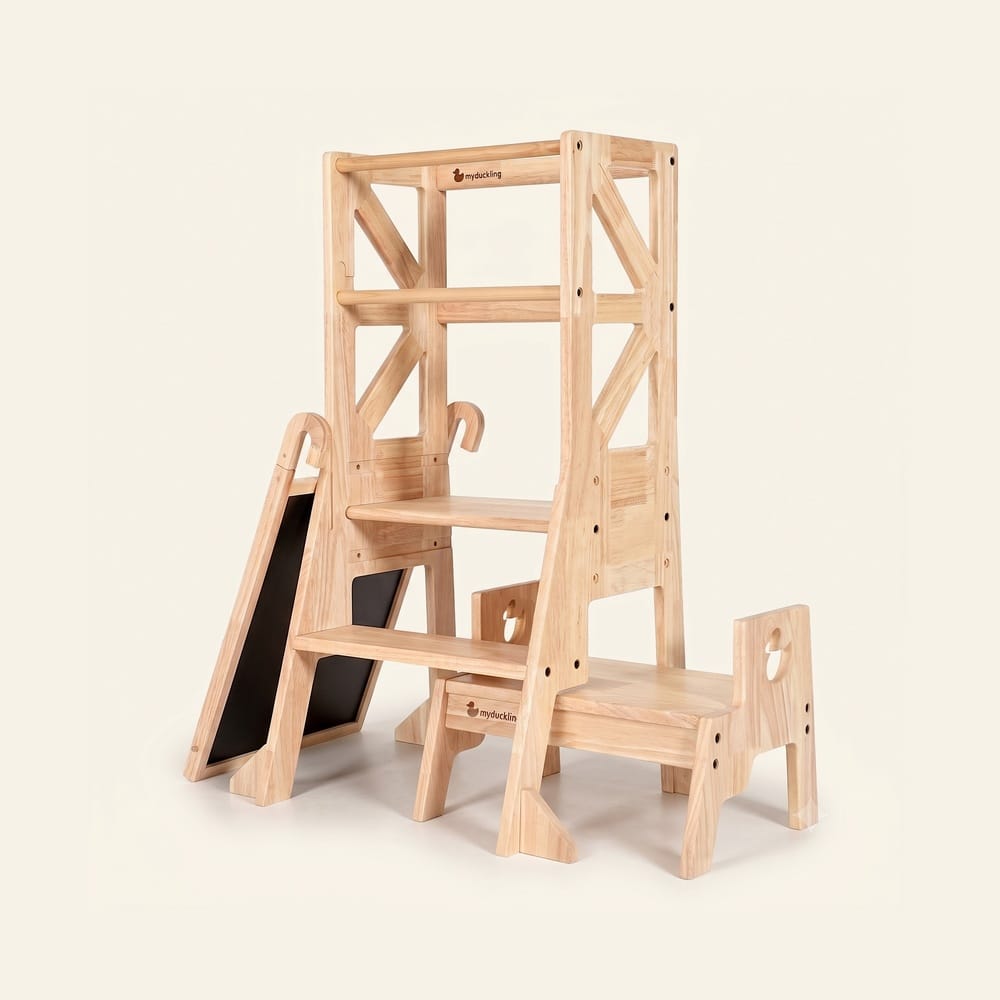
A great diverse learning tower we will be using for a long time. We've had lots of complements already on the quality.

Sturdy, great size for a small space. Looking forward to watching our girl grow in it!

It was my third purchase from MYDUCKLING but still got stunned by high quality and design.
The chair has a lot of potential and will grow with my 3 yo daughter.
It fits ideal in our interior. I wish I had ordered it earlier. :)

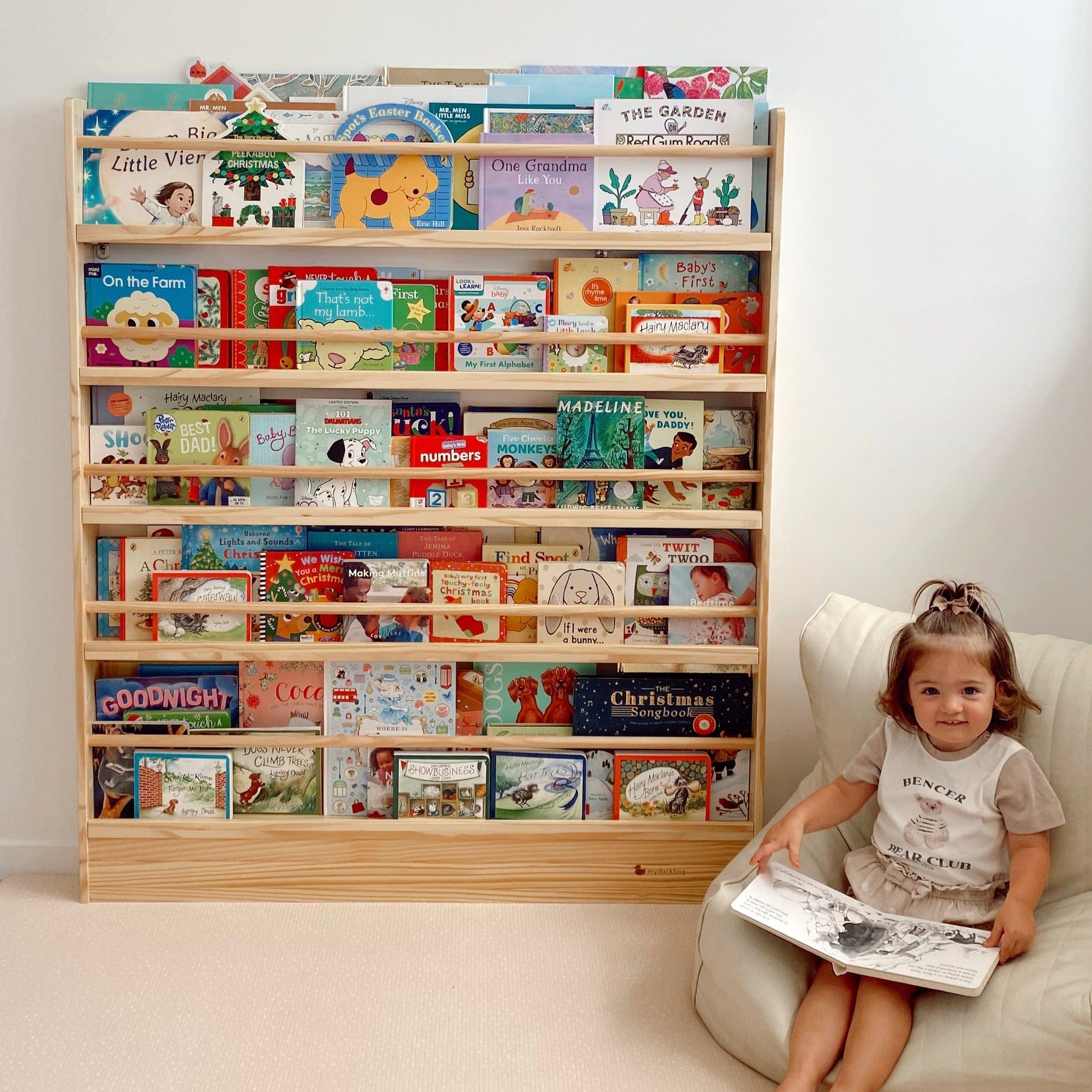
A new family favourite. So easy to assemble and high quality materials. Love the colour! Also fits sooooo many books we have over 100 and it still has room for more. Smoothly rotates and fits nicely in our play room

This is adorable and so well made, we cant wait to use it.
Was a love grift for my granddaughter first birthday
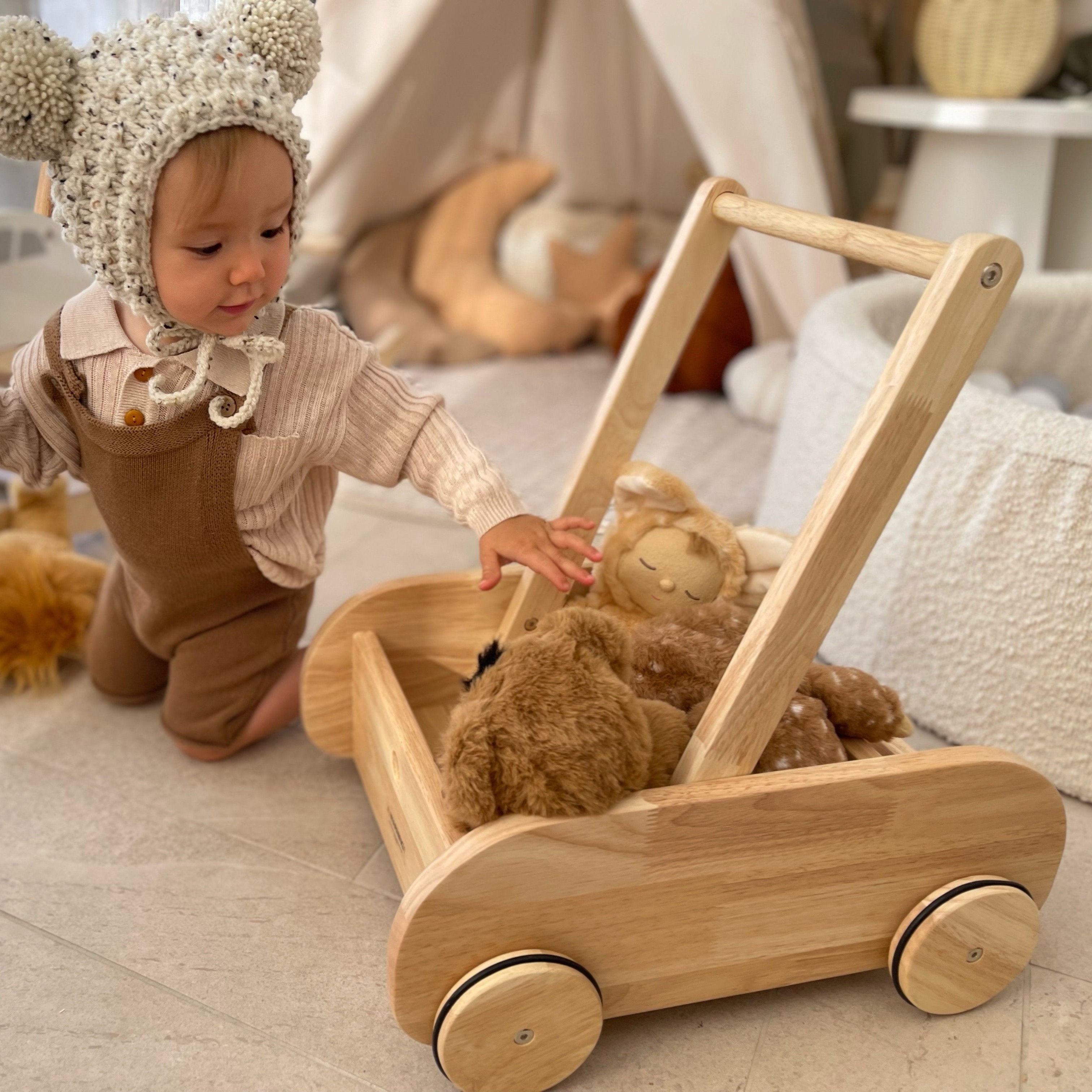
A gorgeous 1st birthday gift for our granddaughter! It’s the perfect size to function as both a steady walker and a classic doll's pram. Plus, it was super easy to assemble.
Beautiful product, delighted :) Easy to order and prompt delivery.

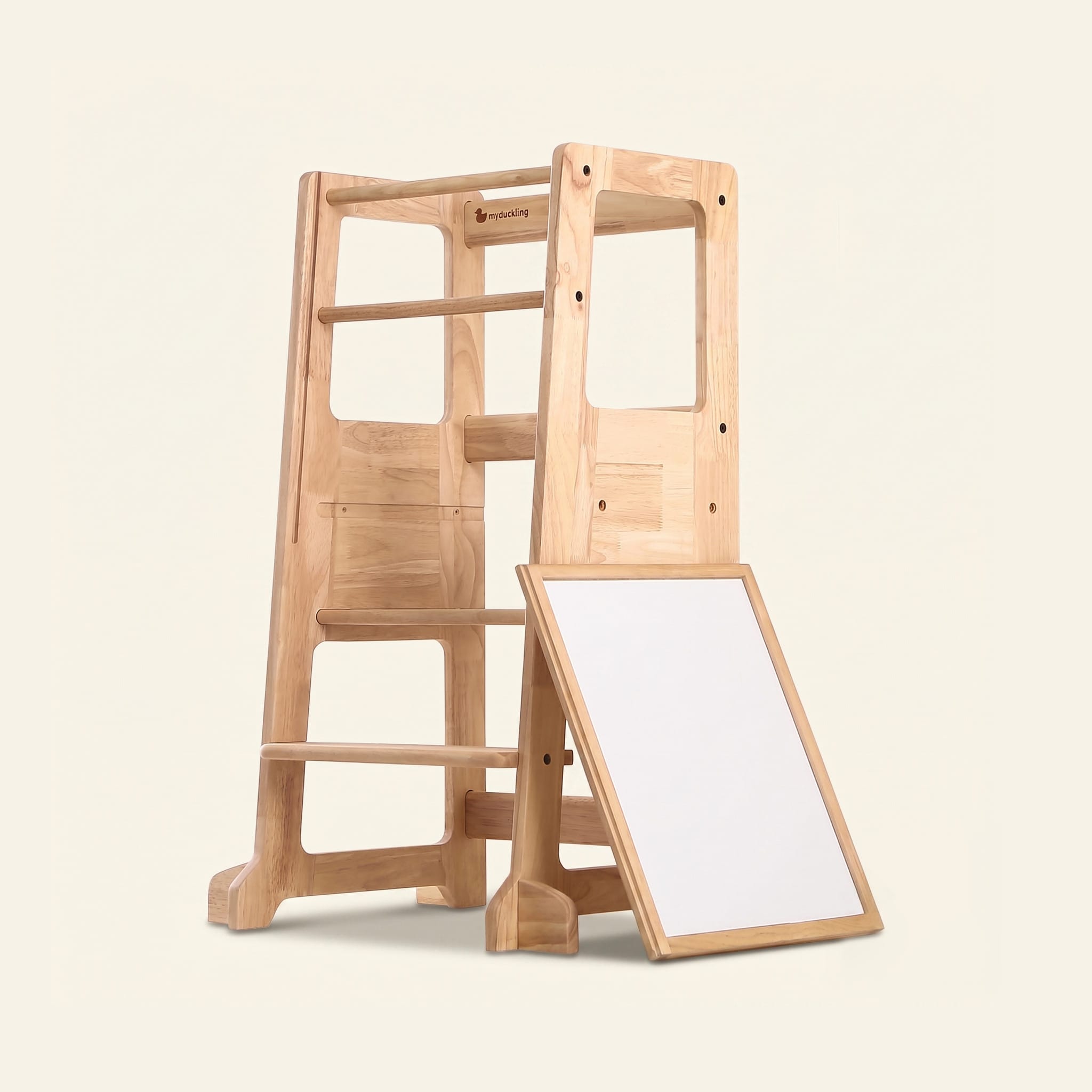
I am so happy with my purchase. It is very sturdy and involves my girl in what is happening in the kitchen. She also actually uses the chalk board and white board. I would definitely recommend this learning tower to anyone looking.
My little granddaughter loved the pram. It is adorable, and exactly what she needed to push about at her age. (She just turned one)
Thank you ❤️

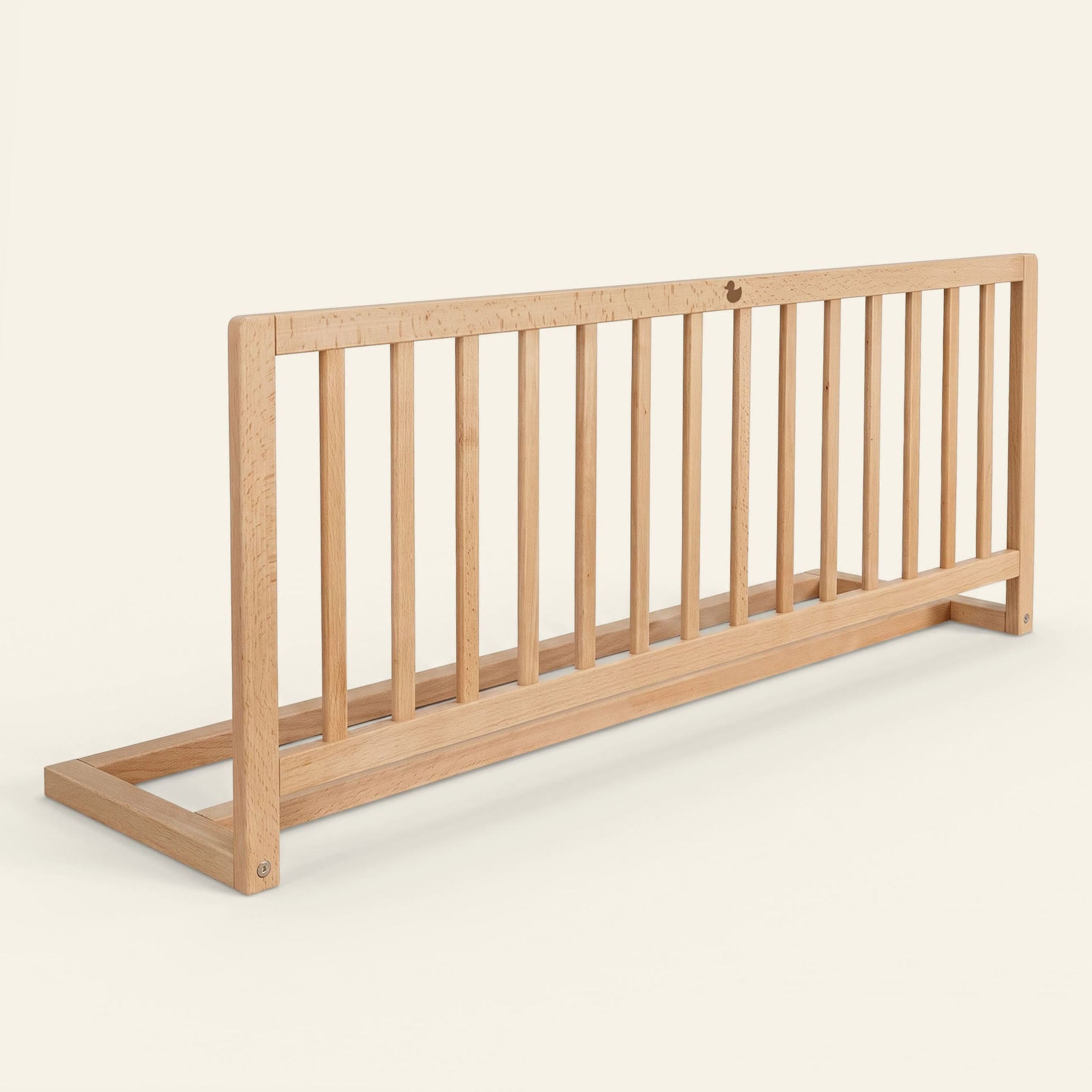
Super happy with the bed rail. Such beautiful wood and a lot better than other bed rails on the market.
Very impressed, so worth the money. We have a small house and it's so well designed to fit in our smaller space.
You can feel the quality when putting it together and moving it around.
I really think the design, compactness, durability and added whiteboard/blackboard features make it so worth the extra money you'd spend over the cheaper ones!
Again, very impressed and happy with my purchase
Brought this gorgeous little doll pram for my granddaughter and she loves it she is only just starting to walk and she thinks she is the bees knees pushing it around the house.
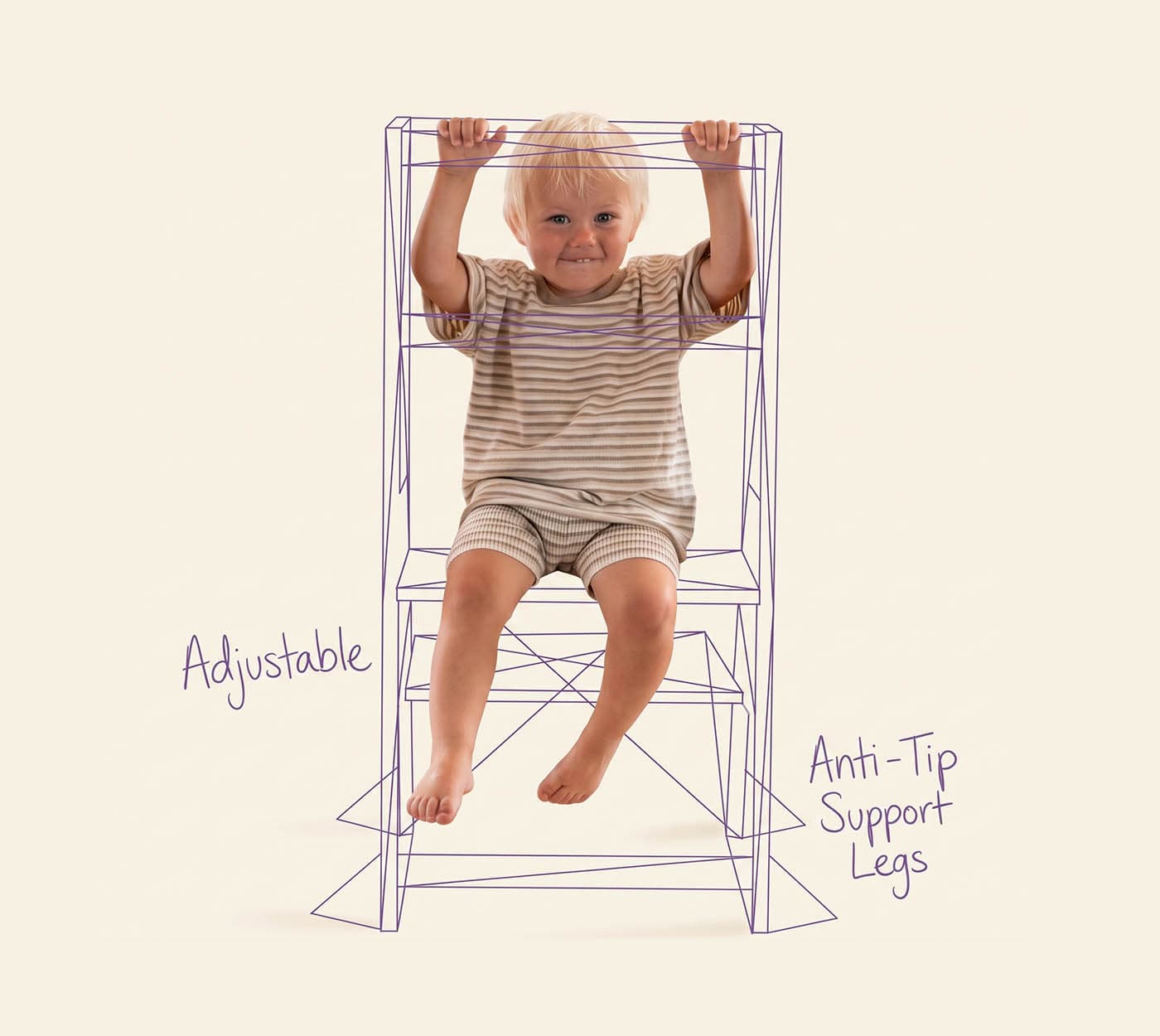
Drawn around the child
The child first, then the furniture
Most children's furniture is designed to fit a room and then scaled down.
We start the other way around, beginning with the reach of an arm, the distance from the seat to the floor, and the height of a kitchen counter.
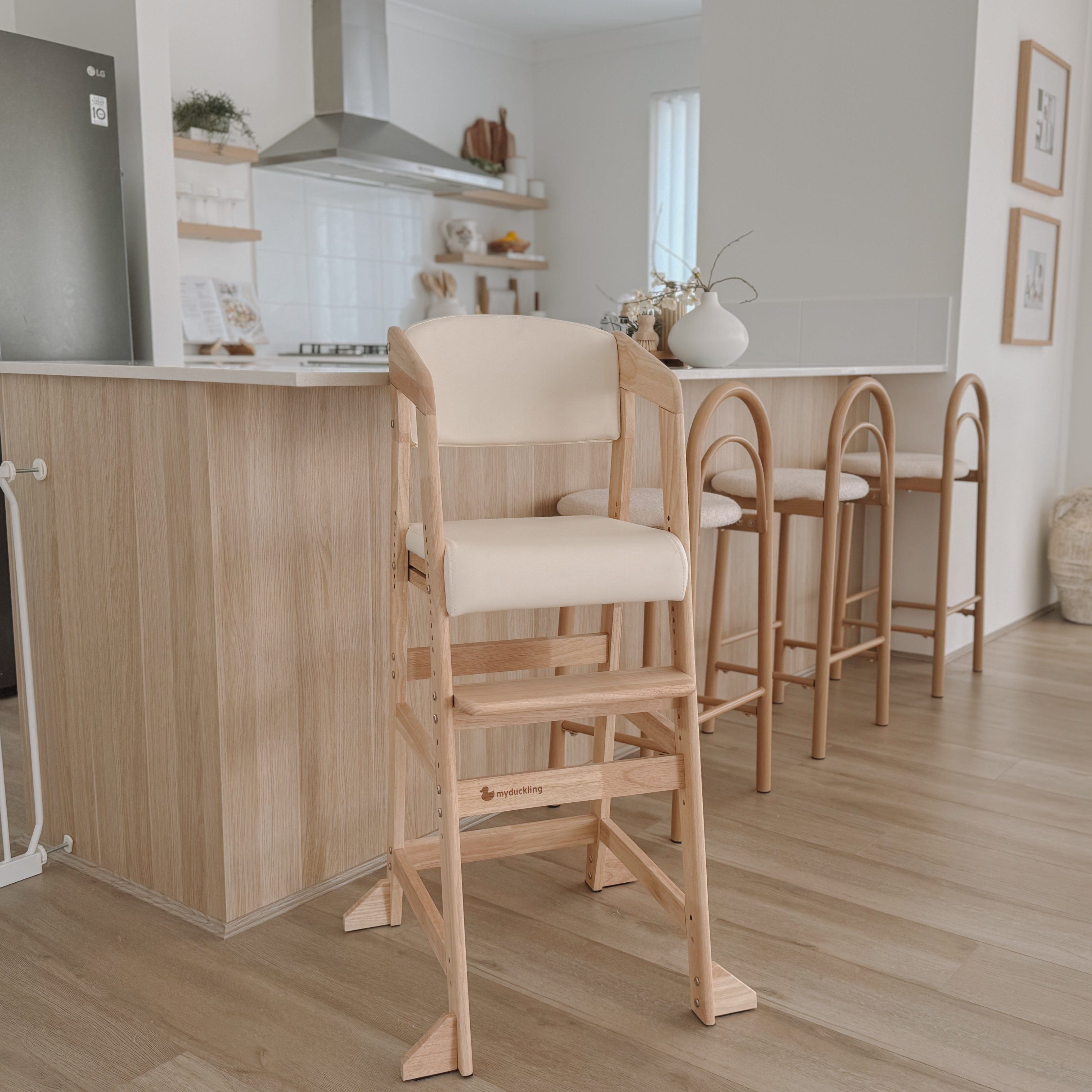
Every detail in the design follows from there, from the footrest and splayed anti-tip legs to the safety rail, thoughtfully positioned at chest height rather than chin height.
Tested like a toy, built like furniture
Safe by design
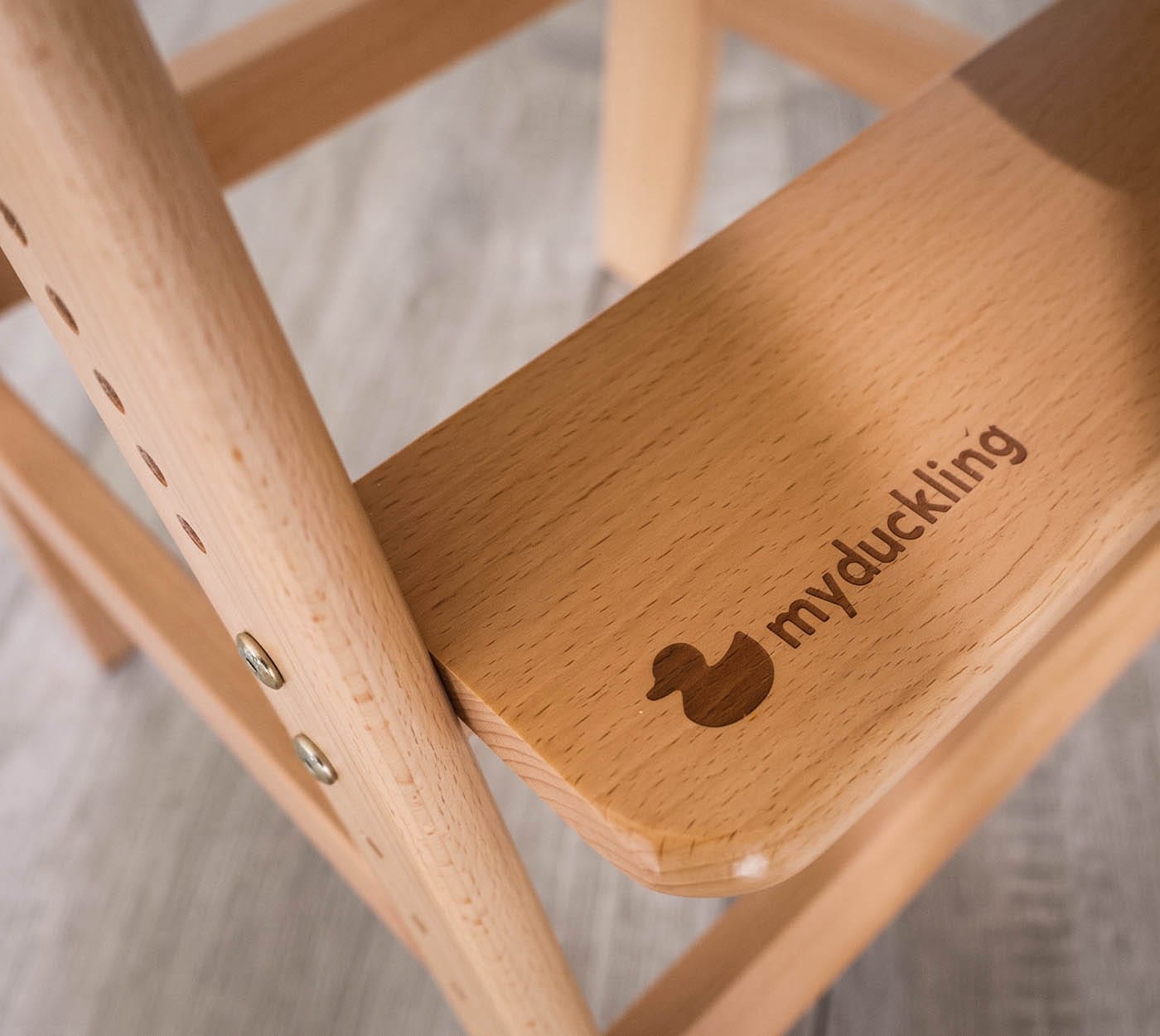
The corner is carefully rounded and hand-sanded because, for a smaller sibling, a footrest can sit right at forehead height.
Then there’s the safety you can’t see. In New Zealand, toys for children under 3 are subject to mandatory safety standards, while children’s furniture is not held to the same requirements.
We choose to test our furniture to relevant toy safety standards anyway, including EN 71-3 migration testing, which screens for the migration of 19 elements that could be released if a child chews, scratches or mouths the surface.
read more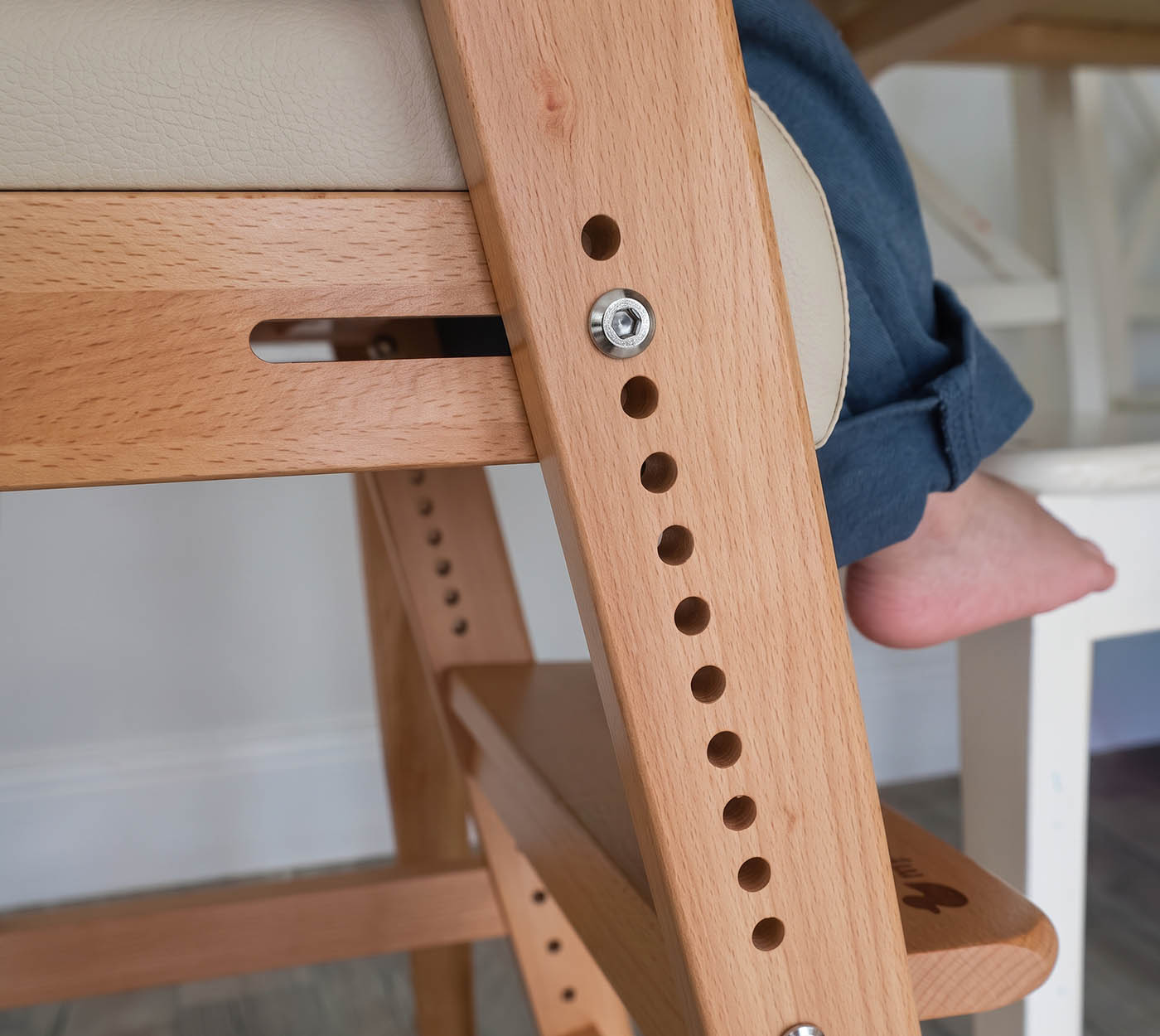
A ladder of small decisions
Set it again next year
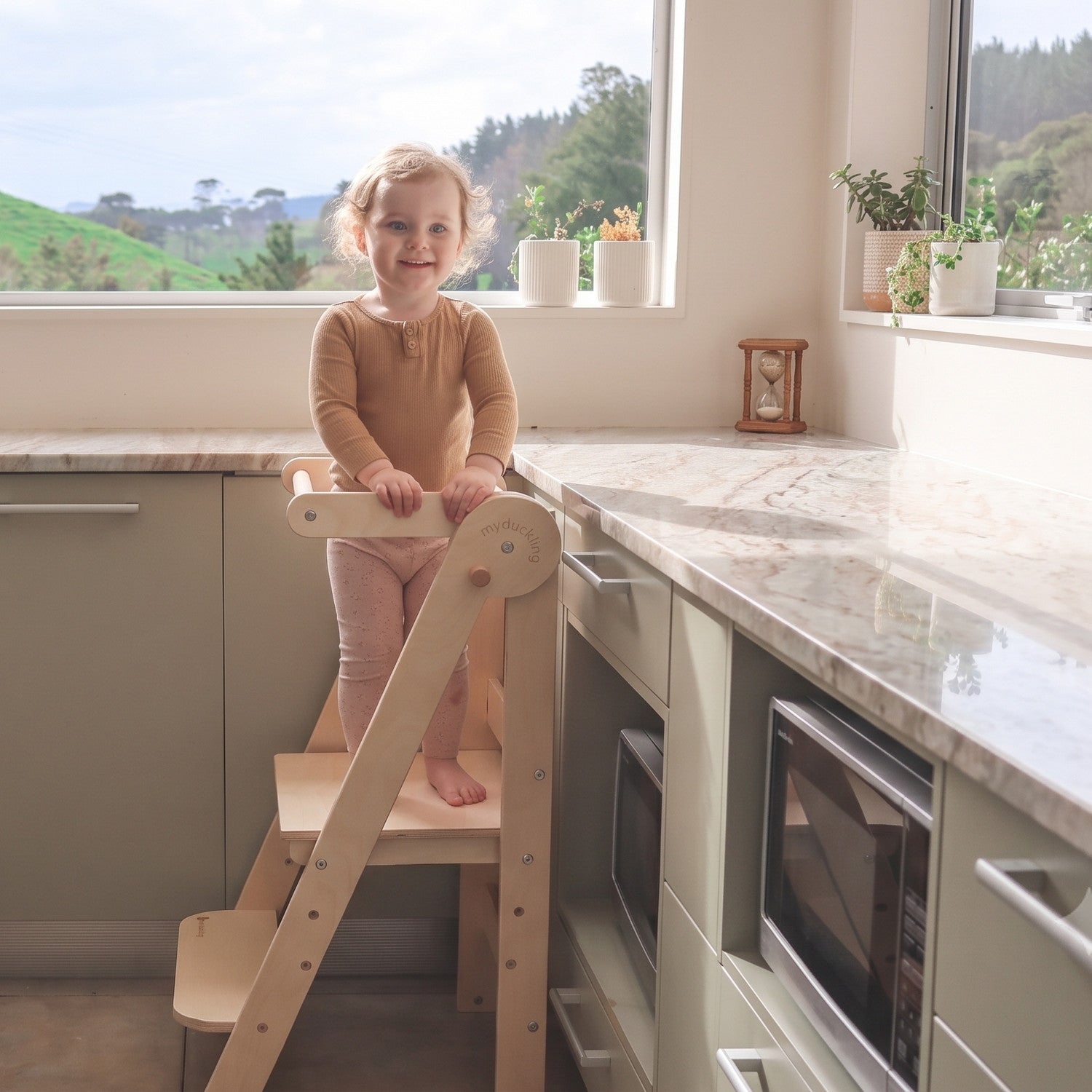
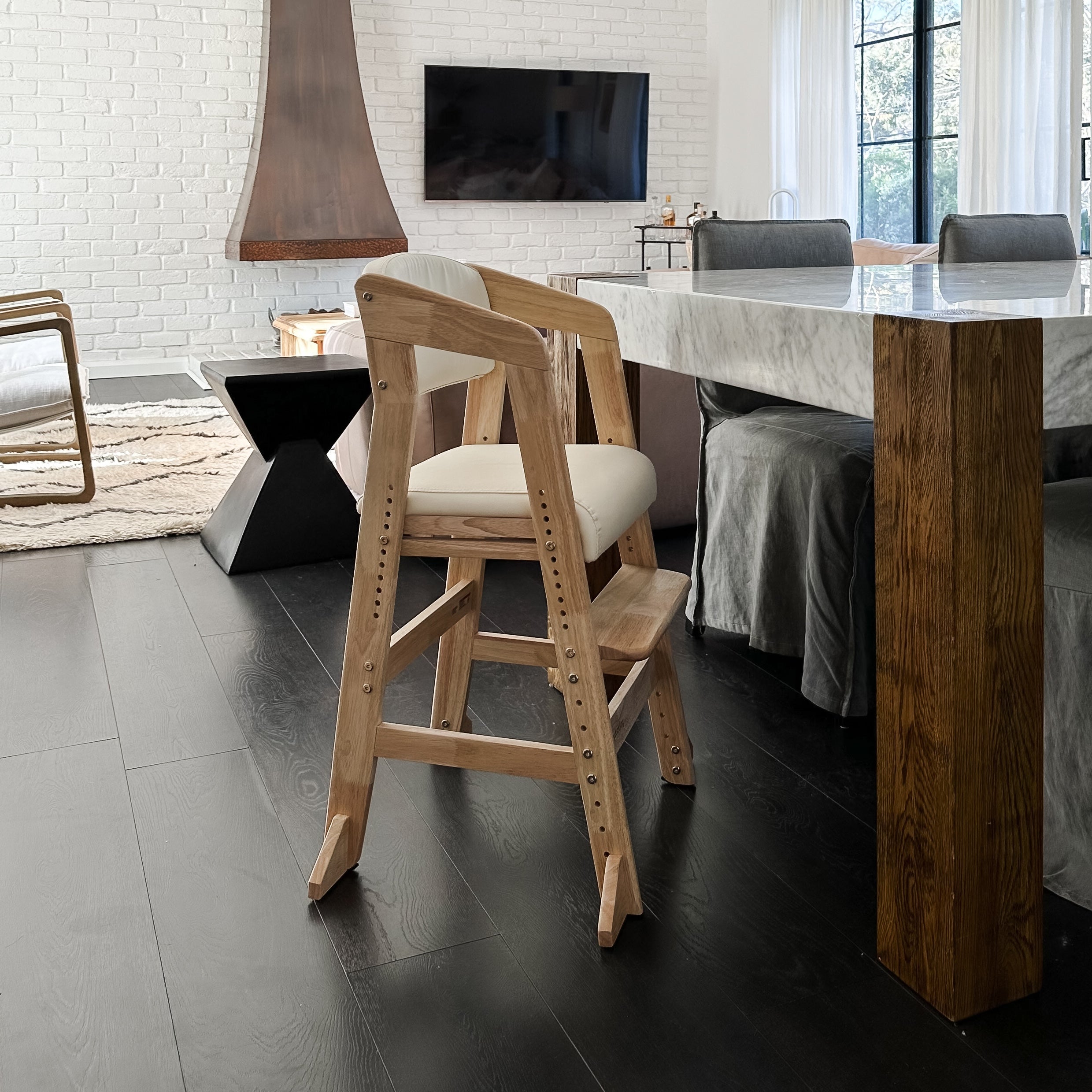
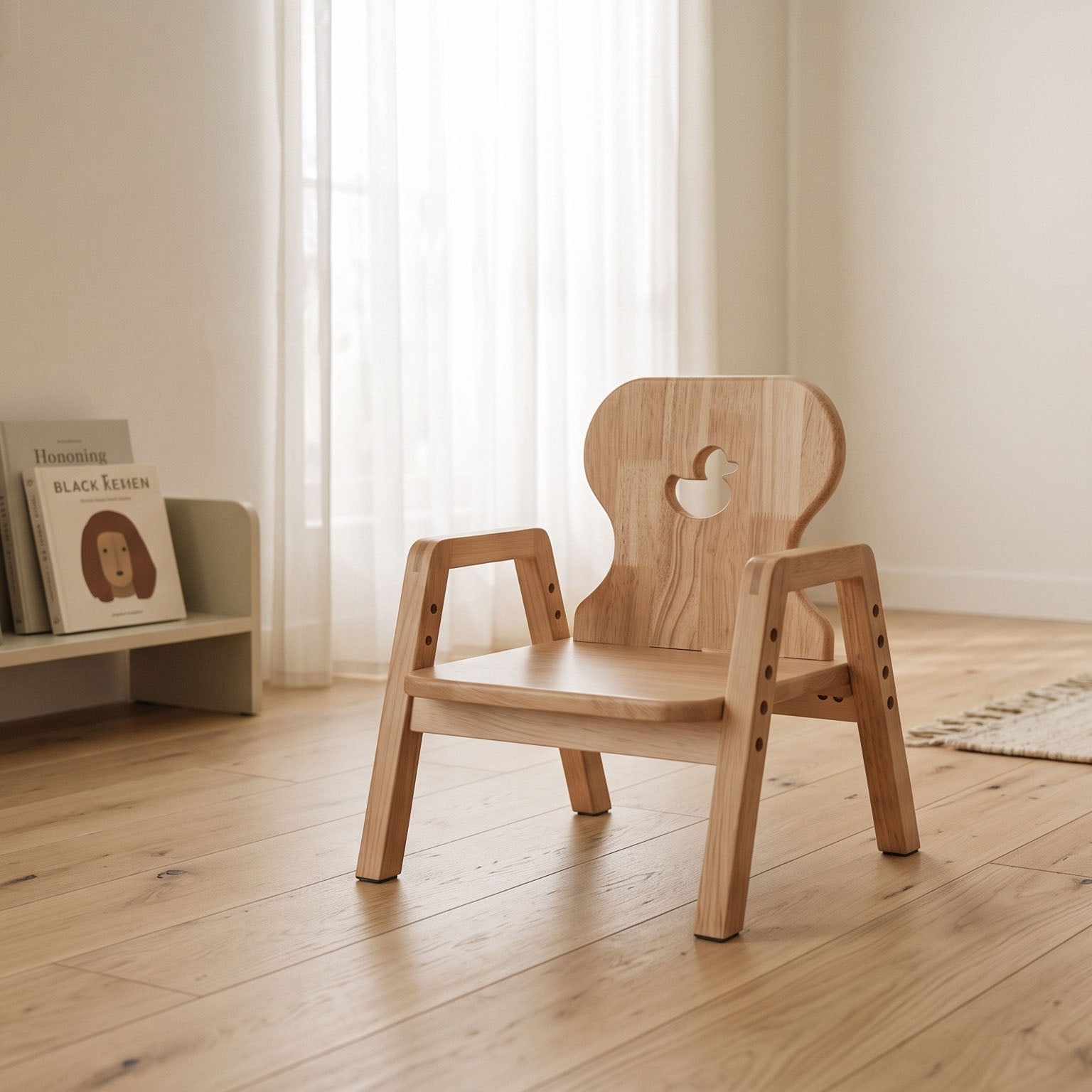
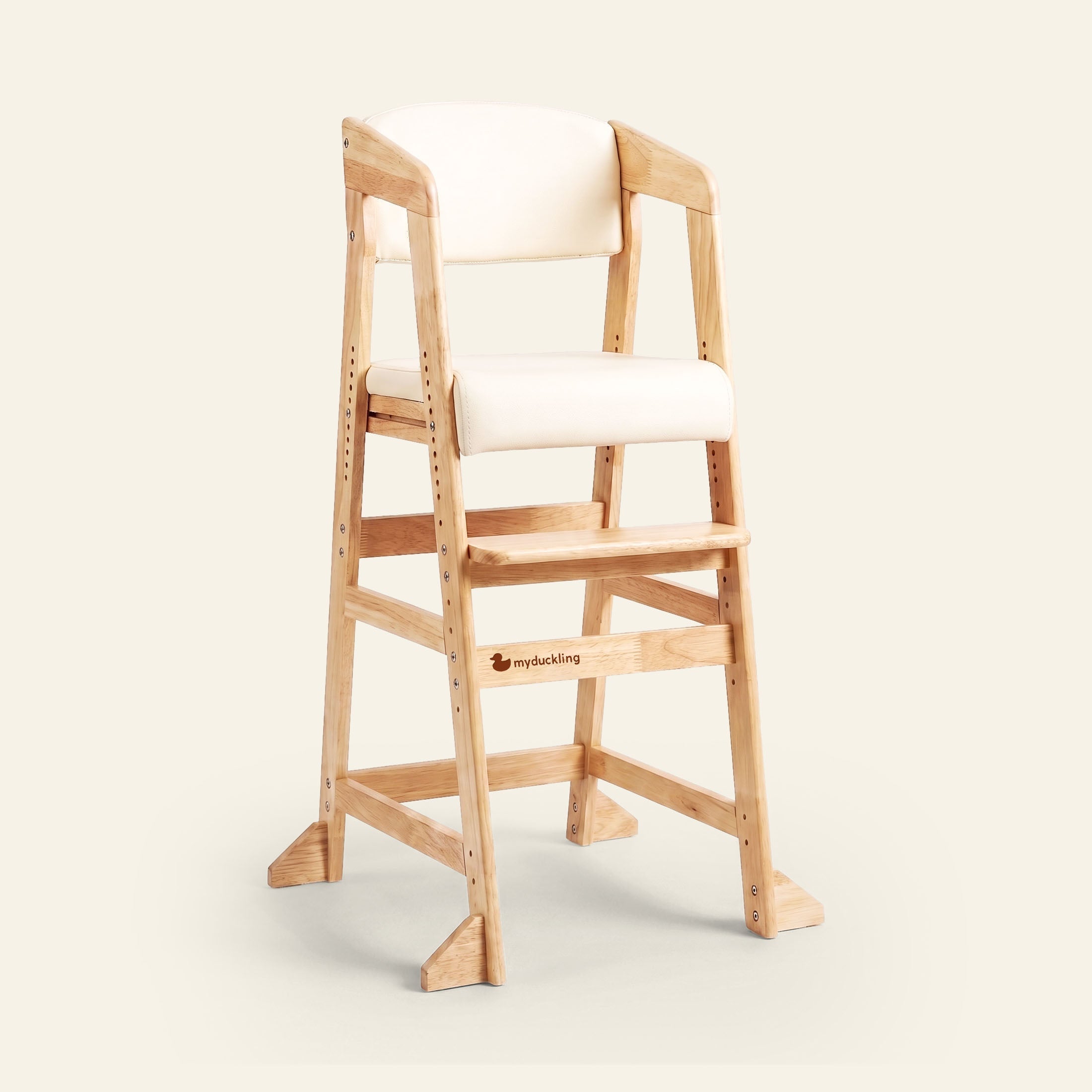
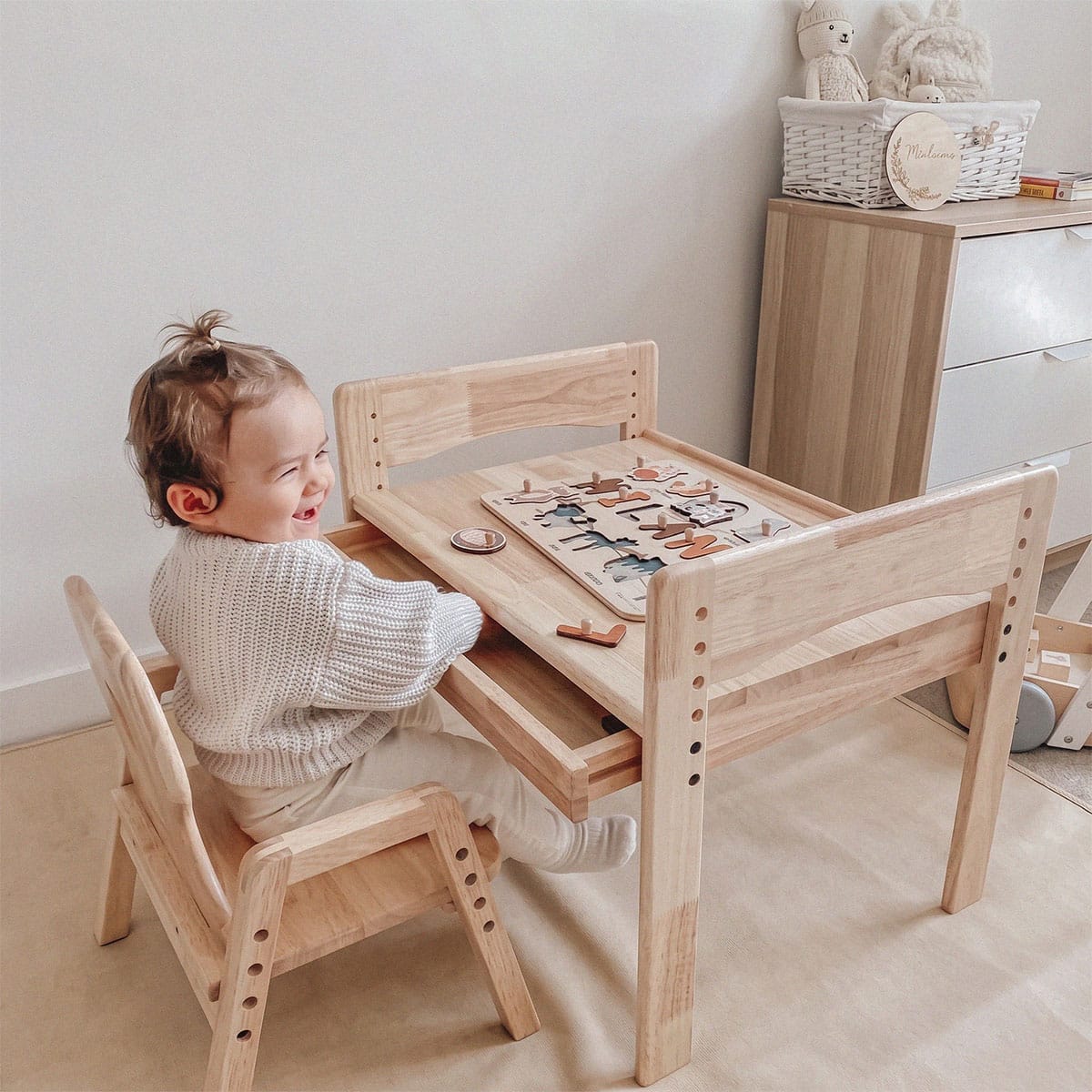
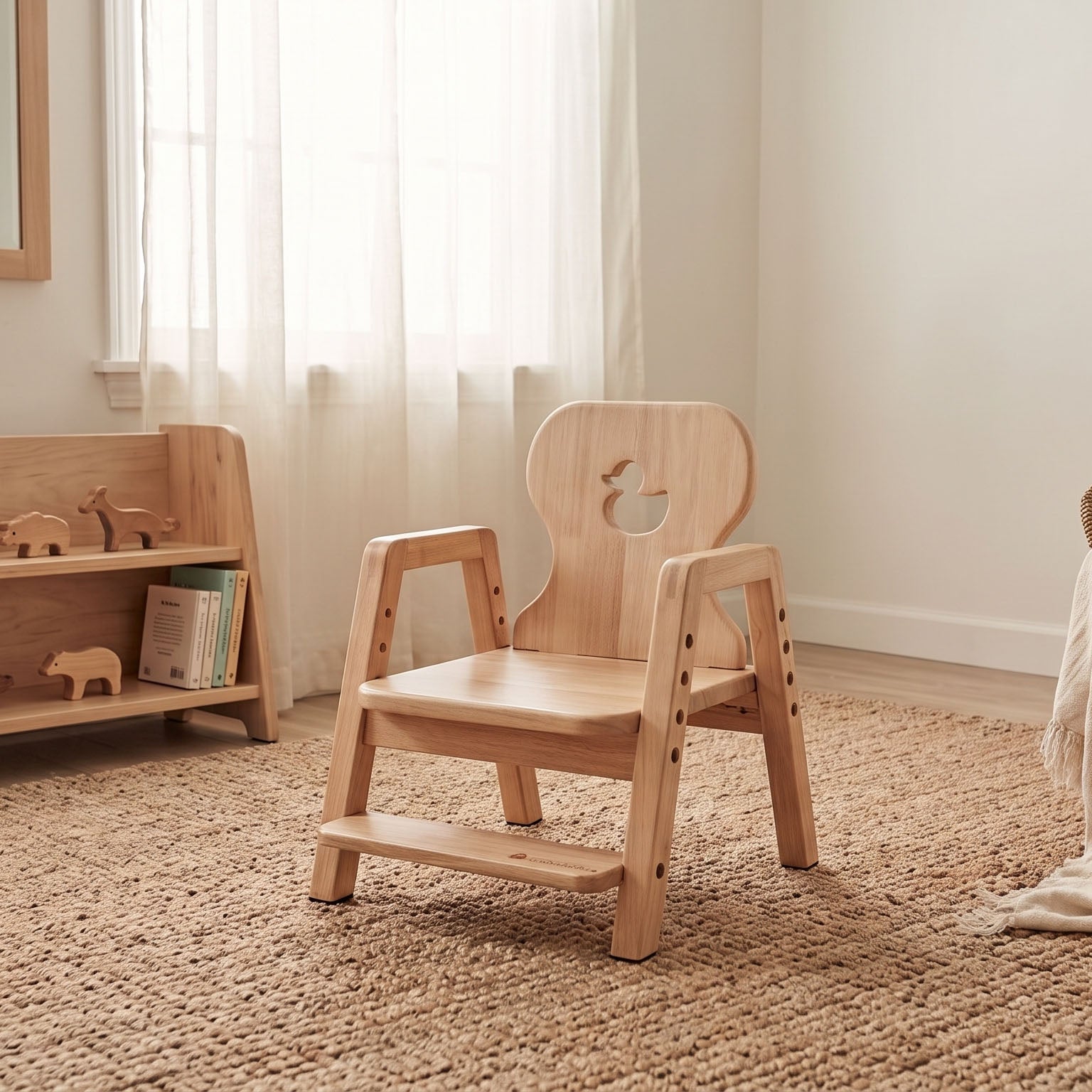
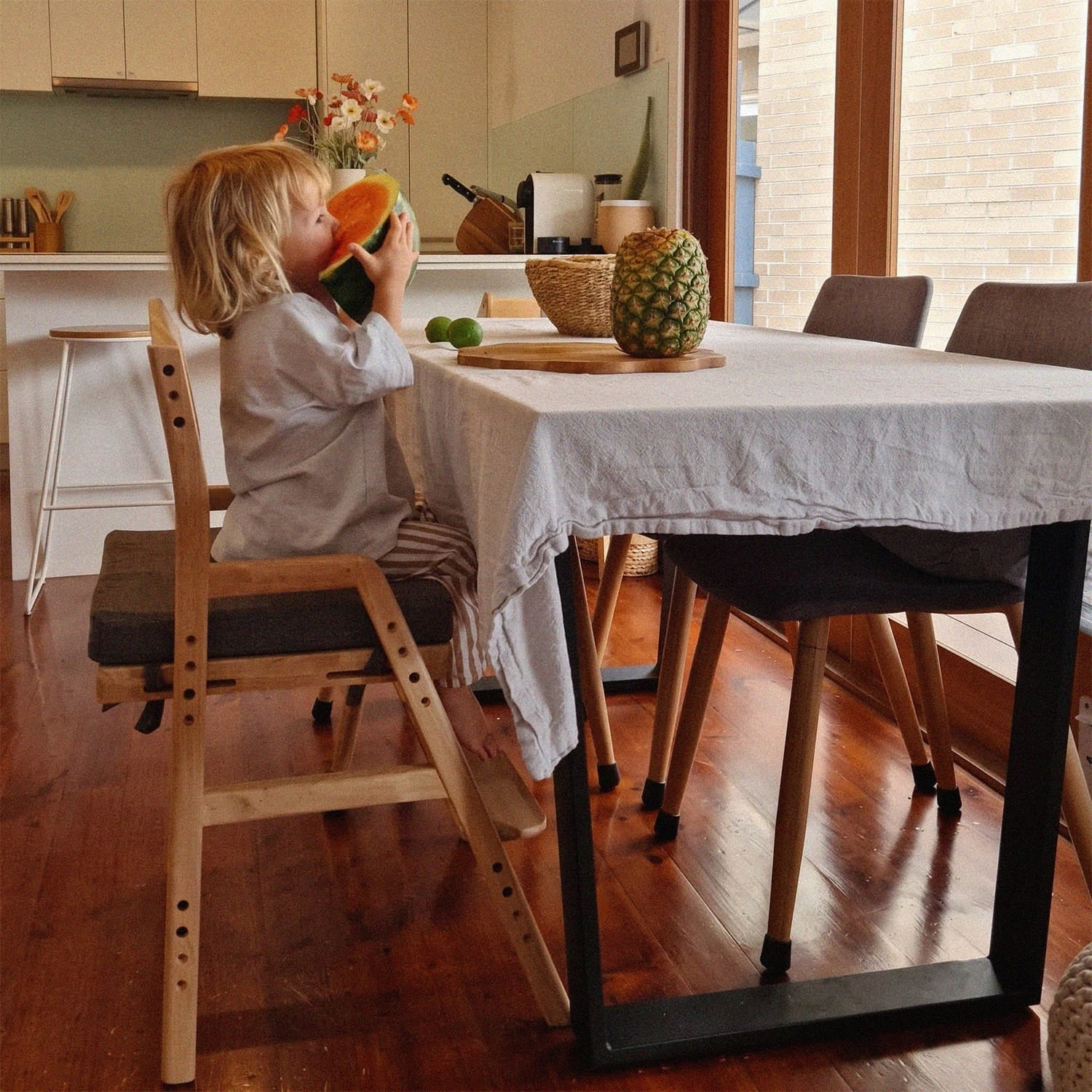
That column of holes may be easy to overlook, but it’s what helps the chair adapt as your child grows. Raise the seat, adjust the footrest, and little feet are supported again for a more comfortable sitting position.
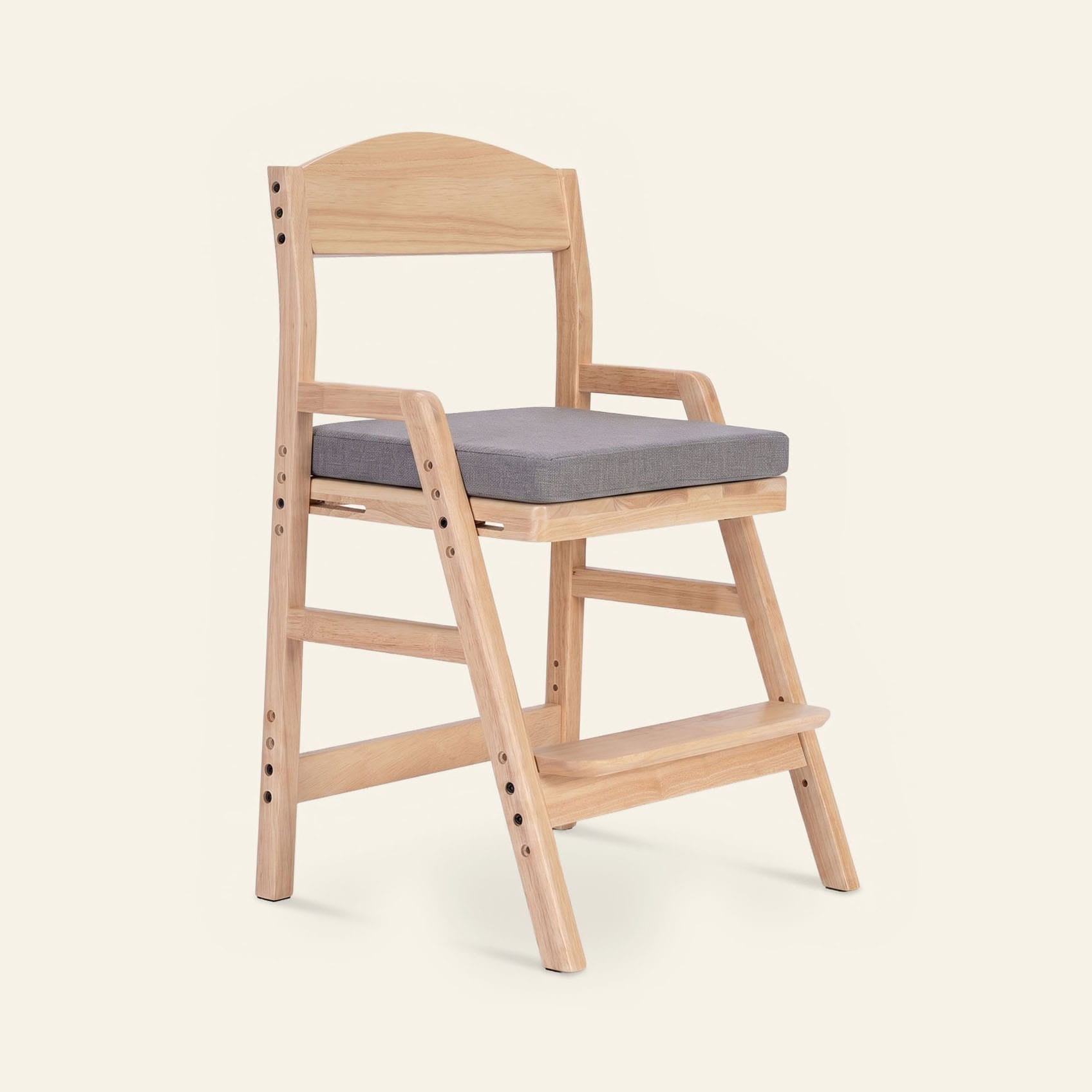
Adjustability is built into many pieces across our range. The AURORA Toddler Dining Chair, for example, offers eight seat heights and five footrest positions for a tailored fit through different stages.
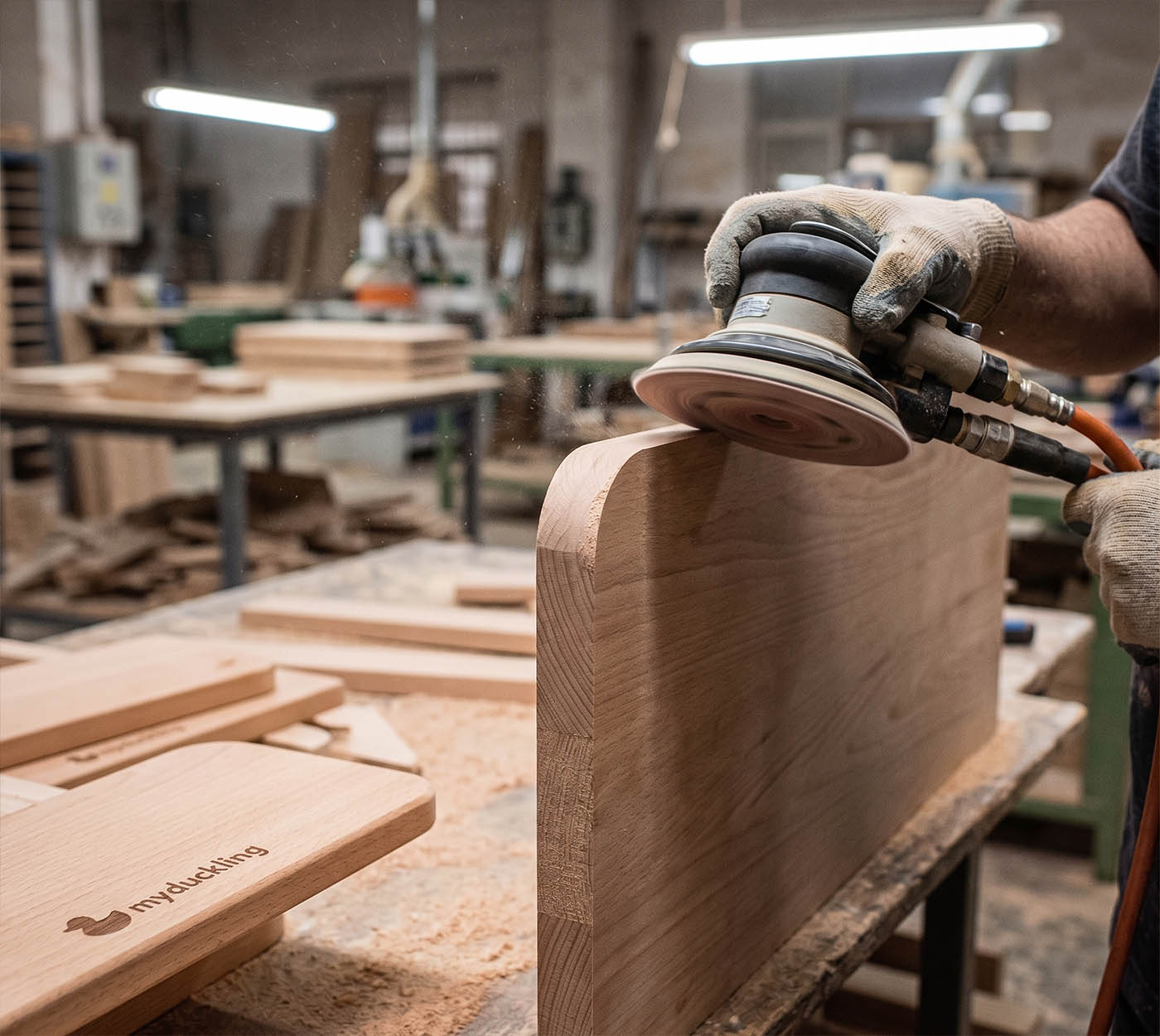
Where every piece starts
The materials we build with
Everything we make starts as timber on a workbench and ends with careful hands smoothing every edge and corner, because those small details matter when furniture is made for children.
We work with four different woods, choosing each one for the job it needs to do, considering its strength, durability and purpose, rather than simply choosing the easiest material to shape.
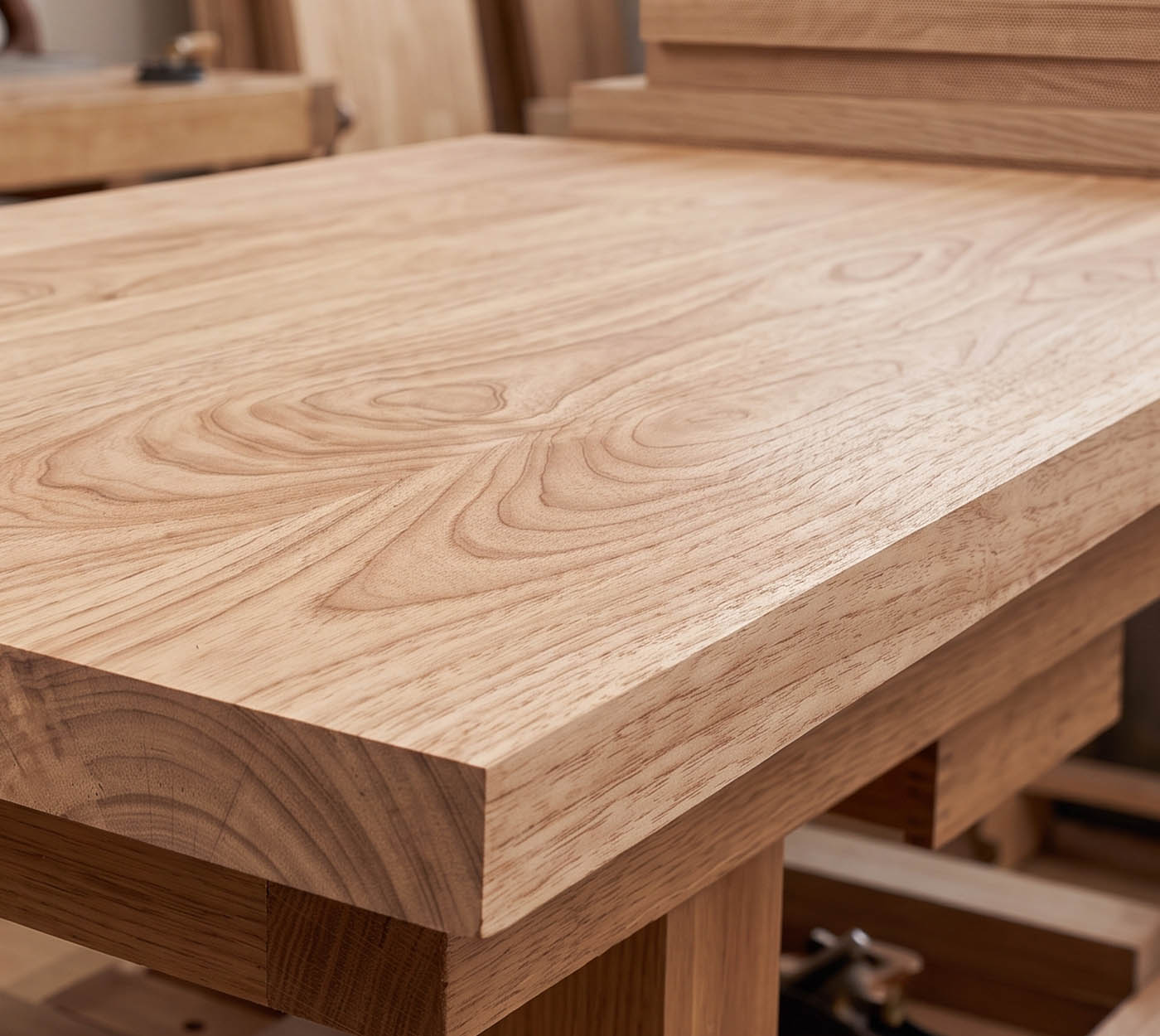
The one that stays put
Solid, and you can see it
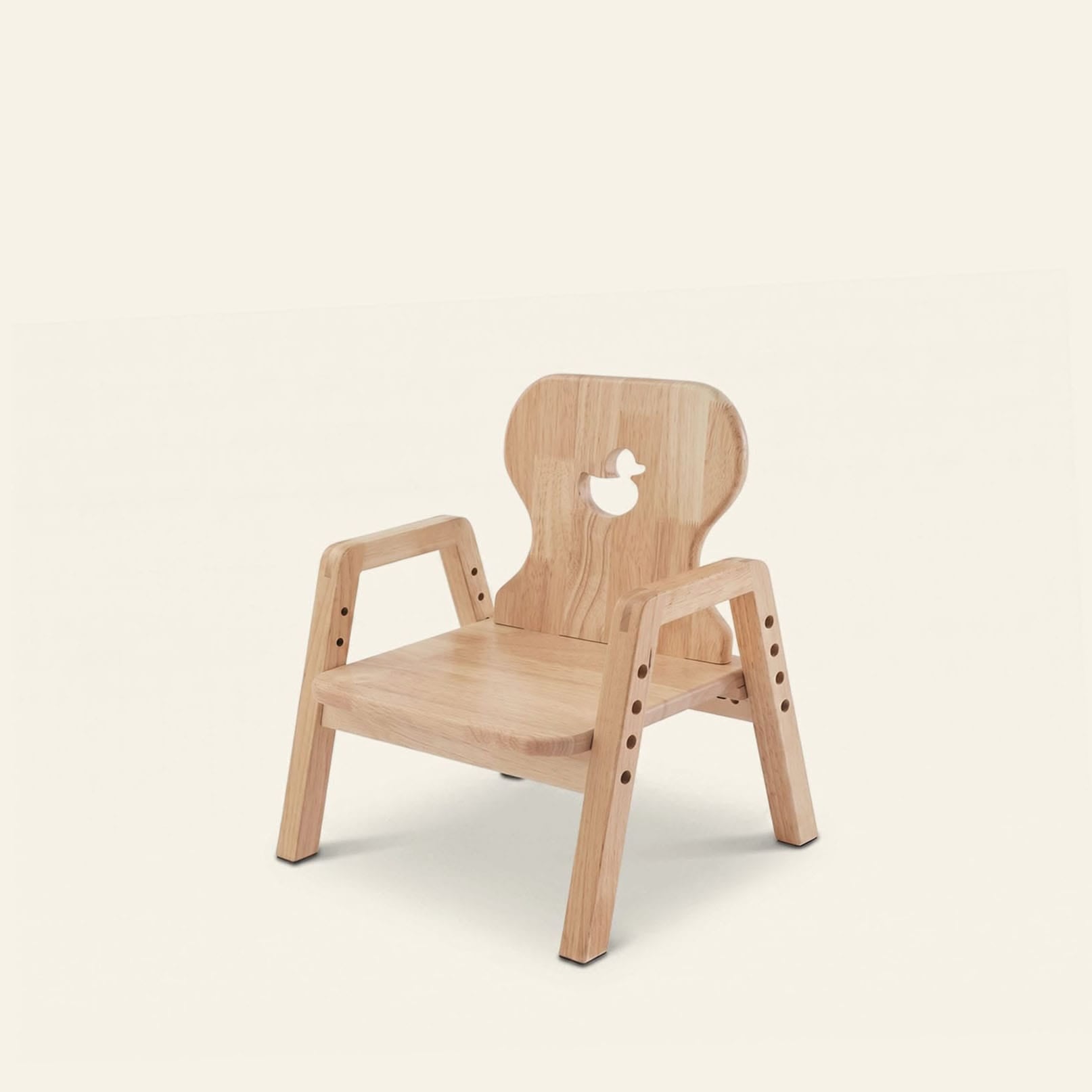
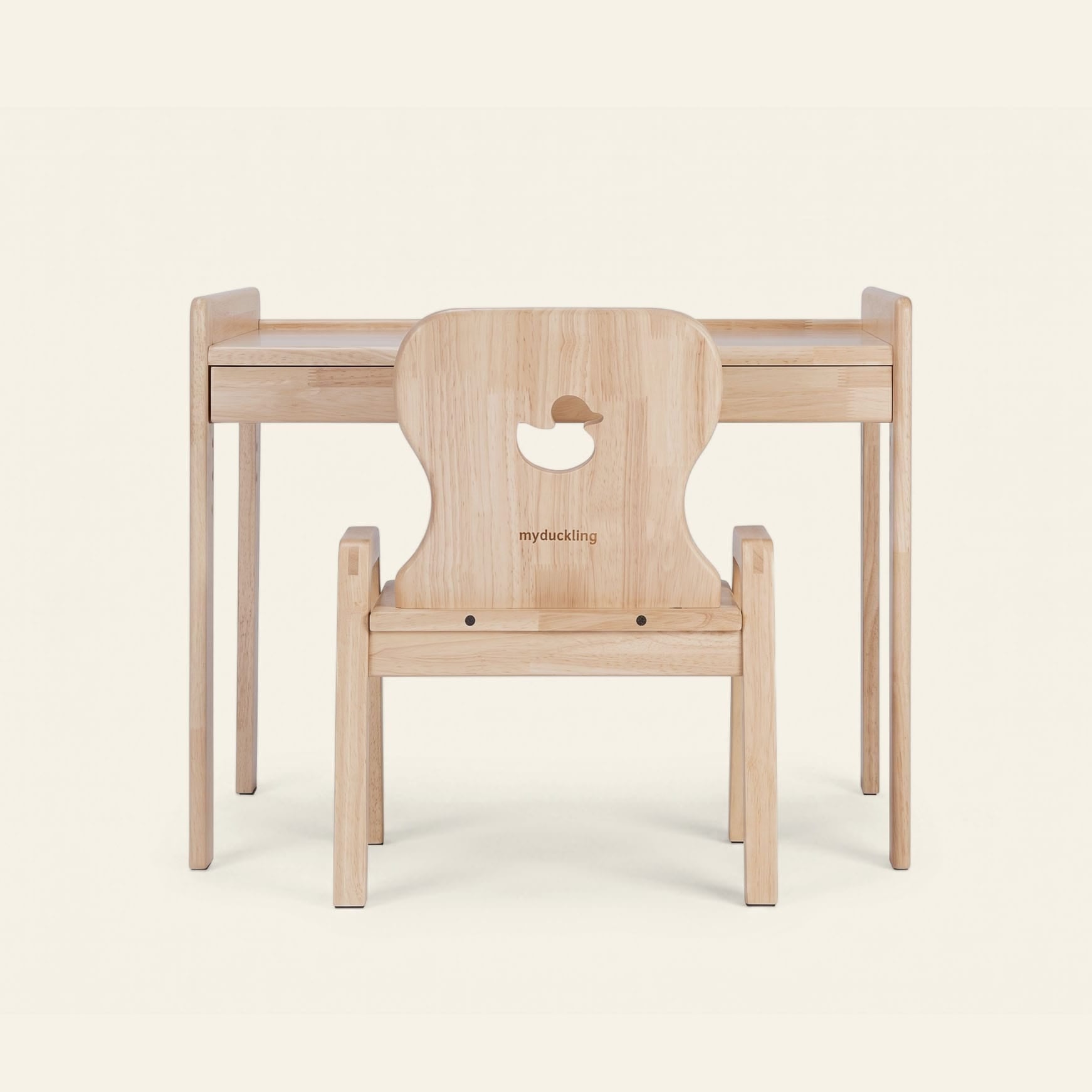
Look closely at the edge and you’ll see narrow boards joined side by side, carefully planed and sanded until the joins become part of the grain. That’s solid rubberwood, a genuine hardwood with a naturally straight grain and warm, light tone that can deepen over time.
It offers a considered balance of strength, stability and manageable weight. Our solid rubberwood learning tower, for example, weighs 8kg, substantial enough to provide a sturdy base during everyday use, while still being practical for an adult to reposition when needed.
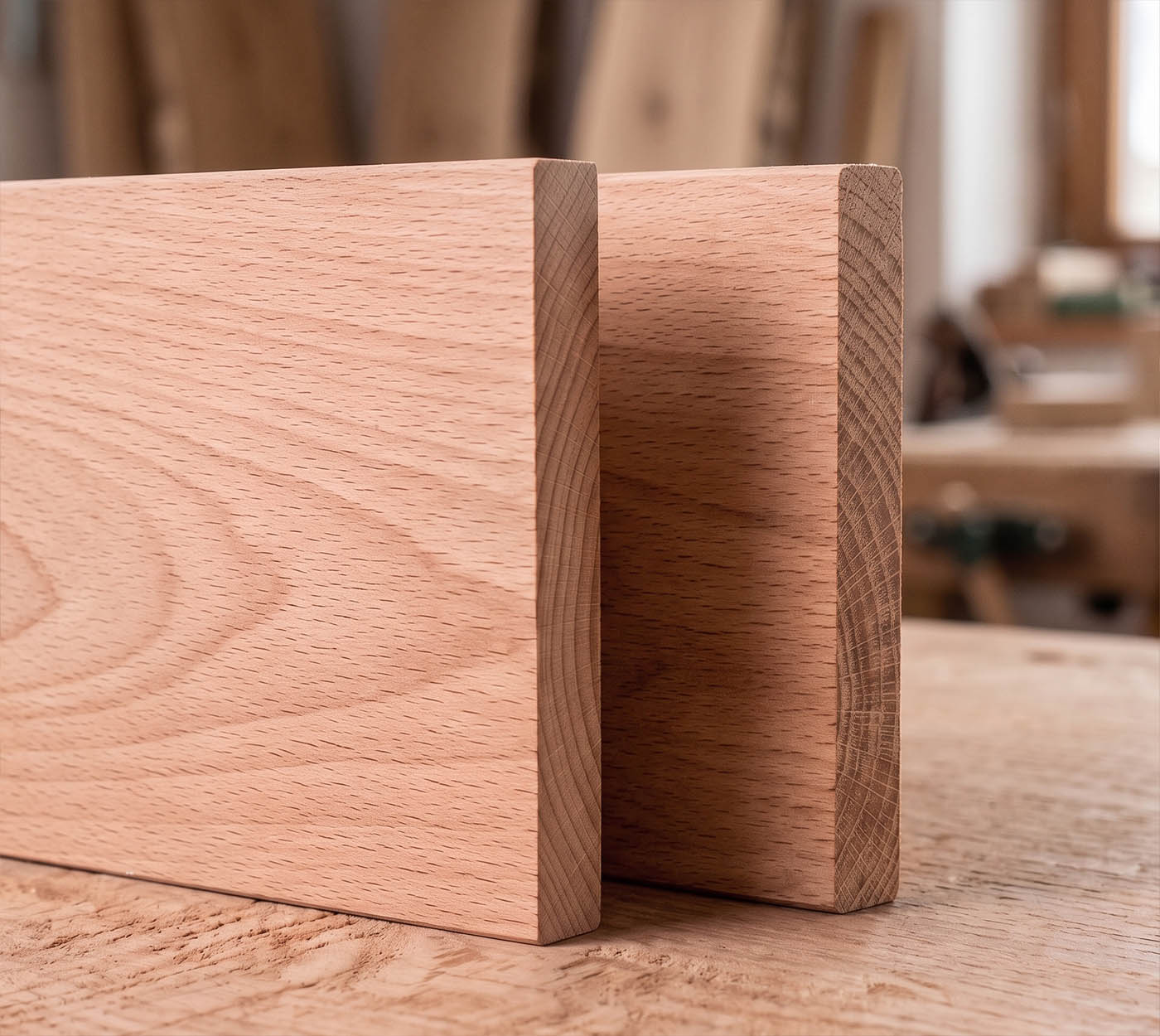
The one that takes the load
Where the forces go
Look closely at beechwood and you’ll see a fine, tight grain with subtle natural rays running through the timber. That dense structure gives solid beechwood its strength and durability, making it well suited to furniture designed to handle active everyday use.
It’s the wood we choose when a piece needs to work particularly hard. You’ll find solid beechwood across products such as our Wooden Kids Cutting Knife Set and ELI Kids Bed Rail where strength, stability and long-lasting construction are especially important.
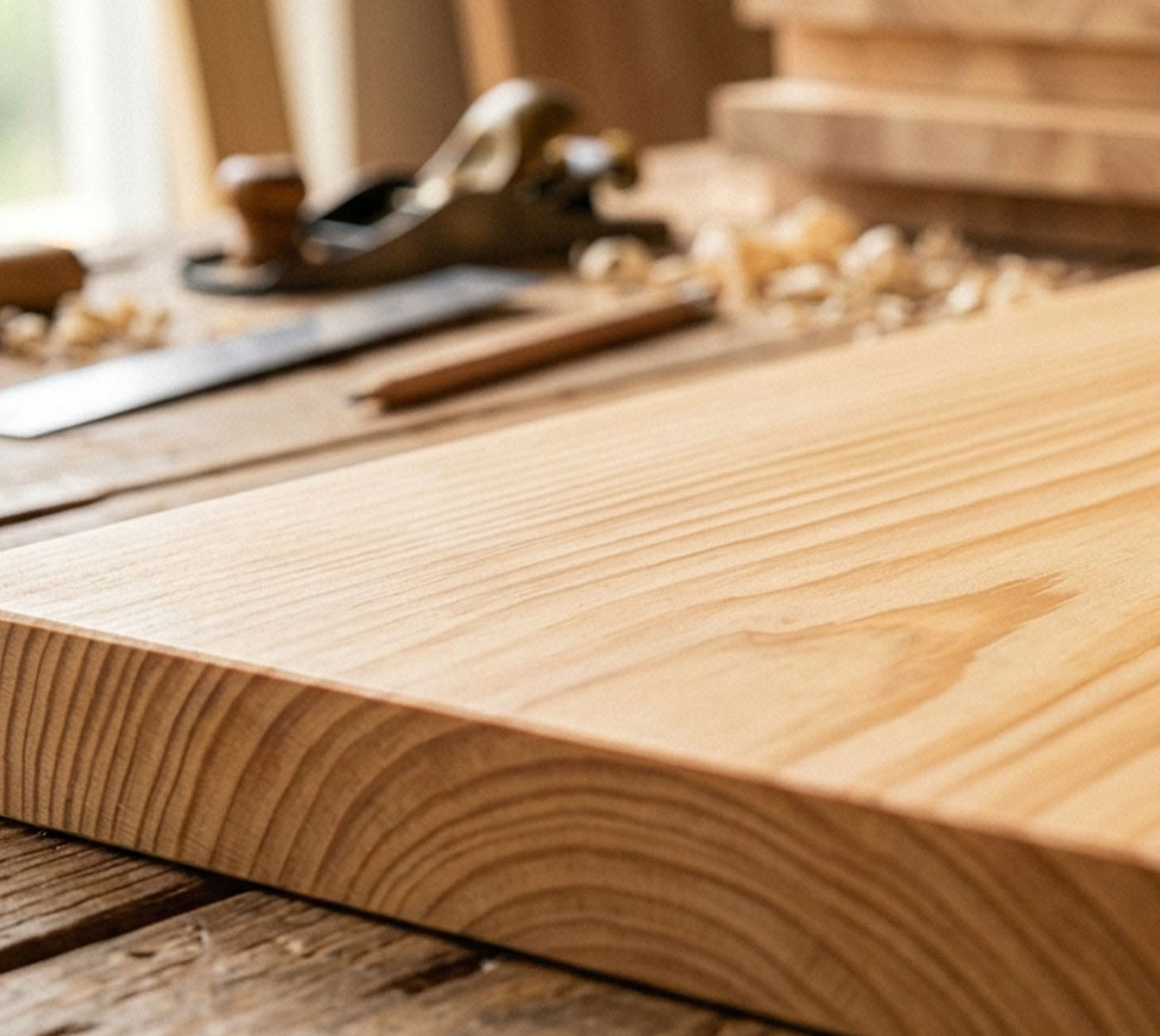
The lightest one
Warm, pale, easy to live with
Pine is the one that still smells like a workshop the moment it's cut.
It comes up pale and honey-warm, with long straight grain you can follow the length of a board. It makes a room feel lighter, not heavier.
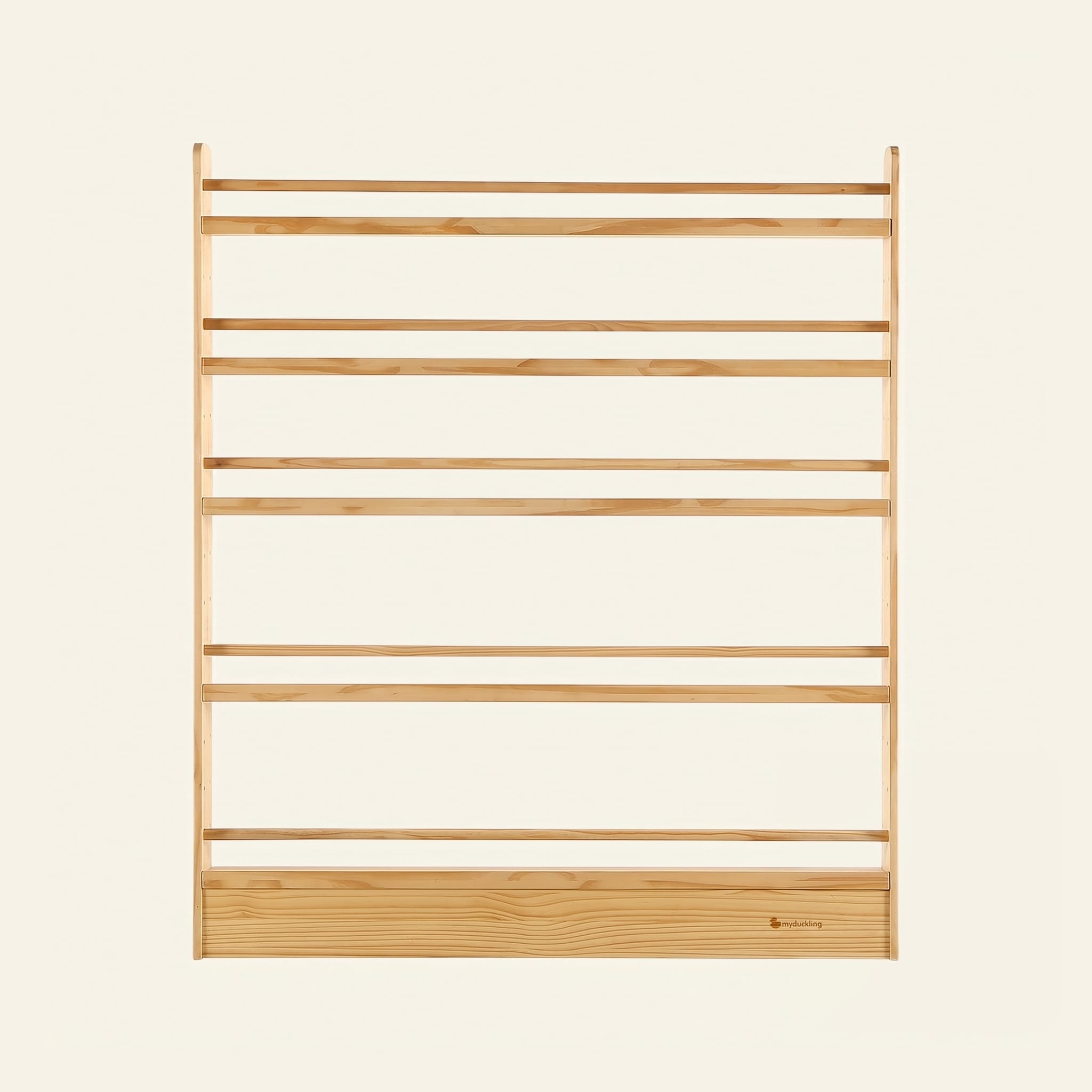
It's light to handle, too, which is why it's the timber for our NALA Adjustable Bookshelf. Easy to carry into place and position where you need it, then securely anchored to the wall to hold a whole little library, with books displayed covers-out at your child’s own height.
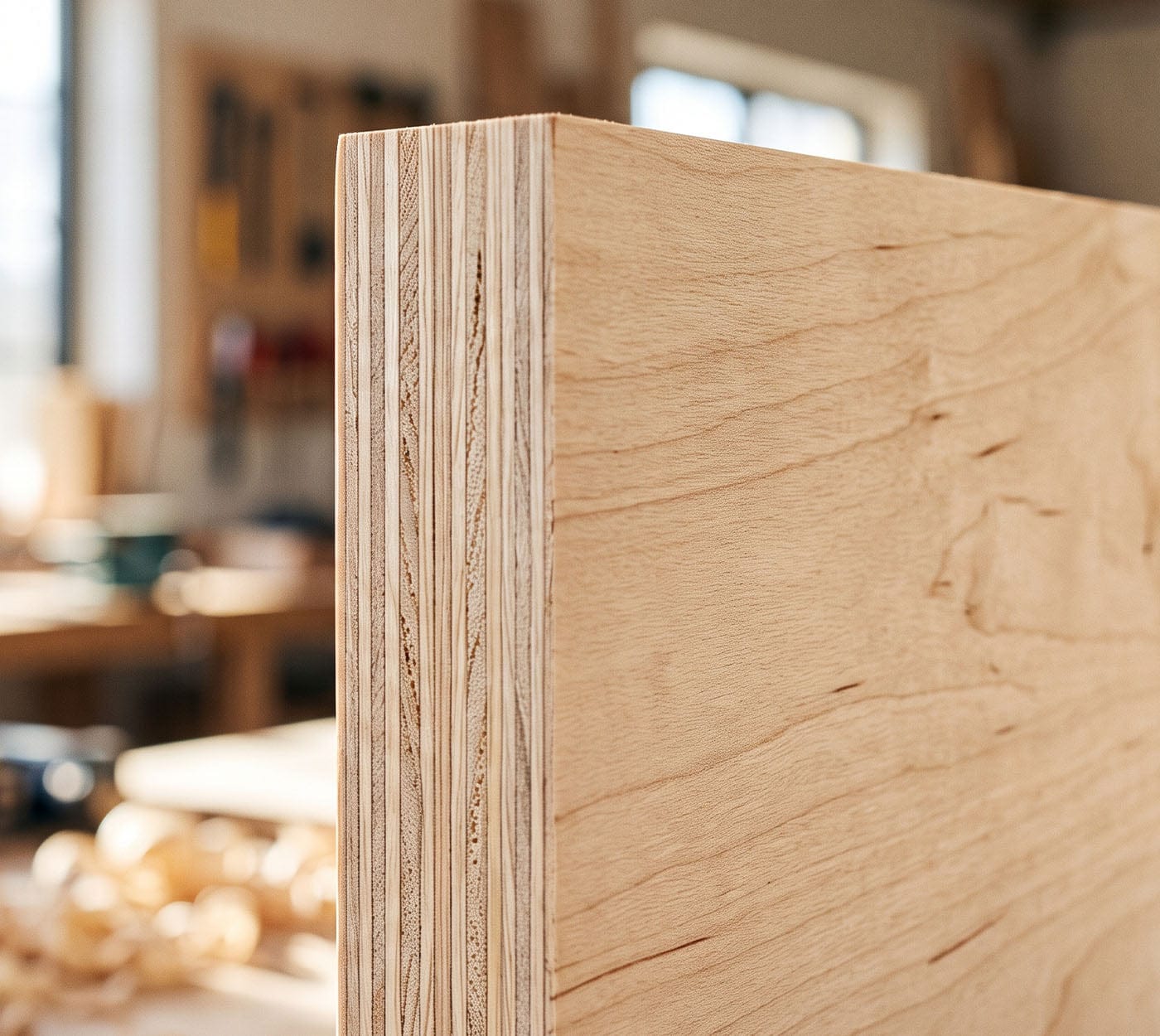
Nothing hidden inside
What lets a shape get clever
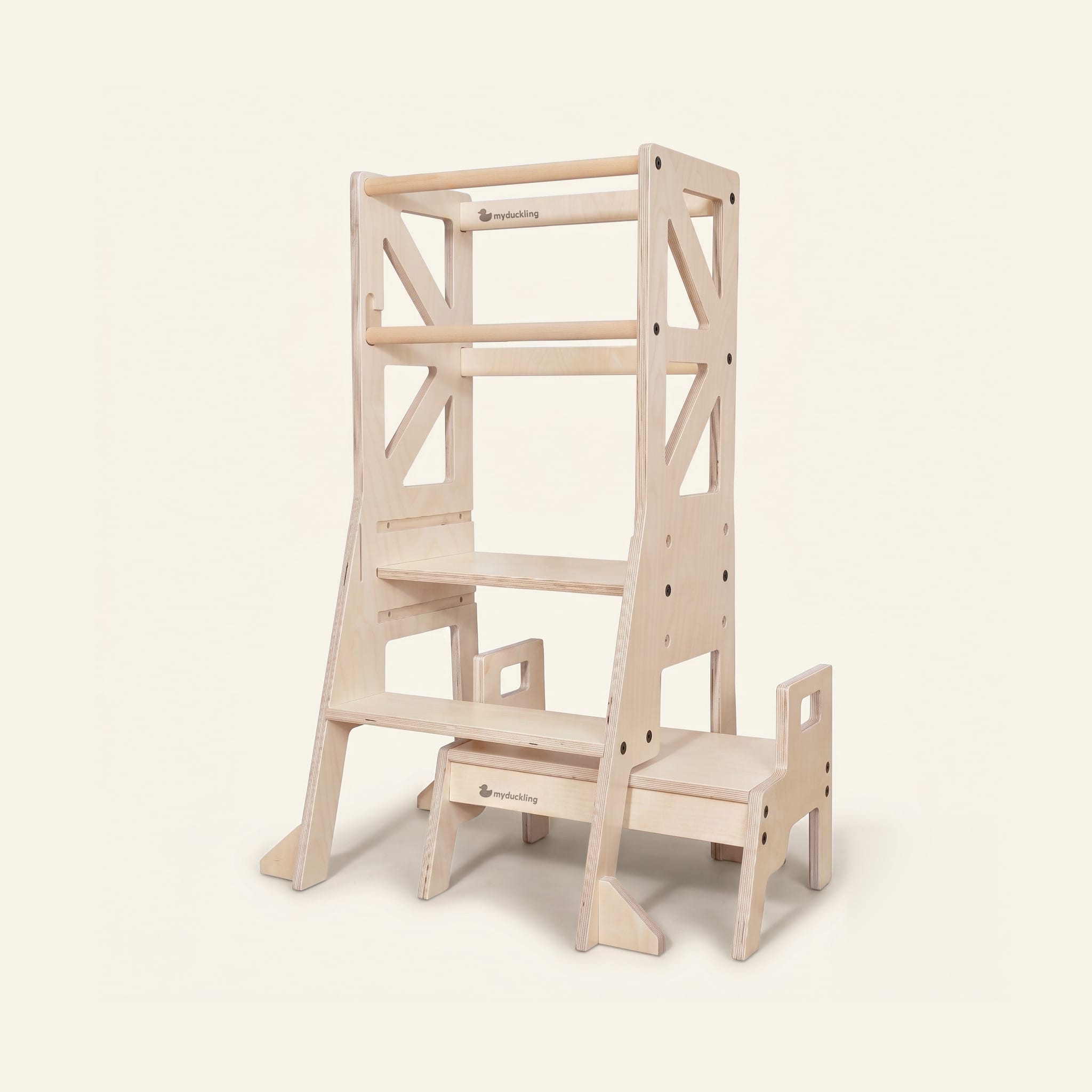
Plywood is what makes our adjustable designs possible. Thin layers of real wood are laid in alternating directions and bonded together, creating a strong, stable panel that helps moving and adjustable parts stay aligned through everyday use.
Look closely at the edge and you can see how it’s made. Each layer of real wood has its own natural colour, grain, and character, creating the subtle variations in tone you see throughout the plywood. No two layers are exactly alike, and together they give each panel its own unique character.
Layer upon layer of real wood. No MDF, no particleboard.

The piece you don't replace
Slow wood, slow furniture
A seedling this size won't become furniture for another forty years. That's the real timescale of the material we work with and it shapes the way we design.
We choose wood with longevity in mind, create adjustable settings that keep up as children grow, and design timeless shapes made to be enjoyed by the next child, too.
One of the greenest choices is a piece nobody has to buy twice.




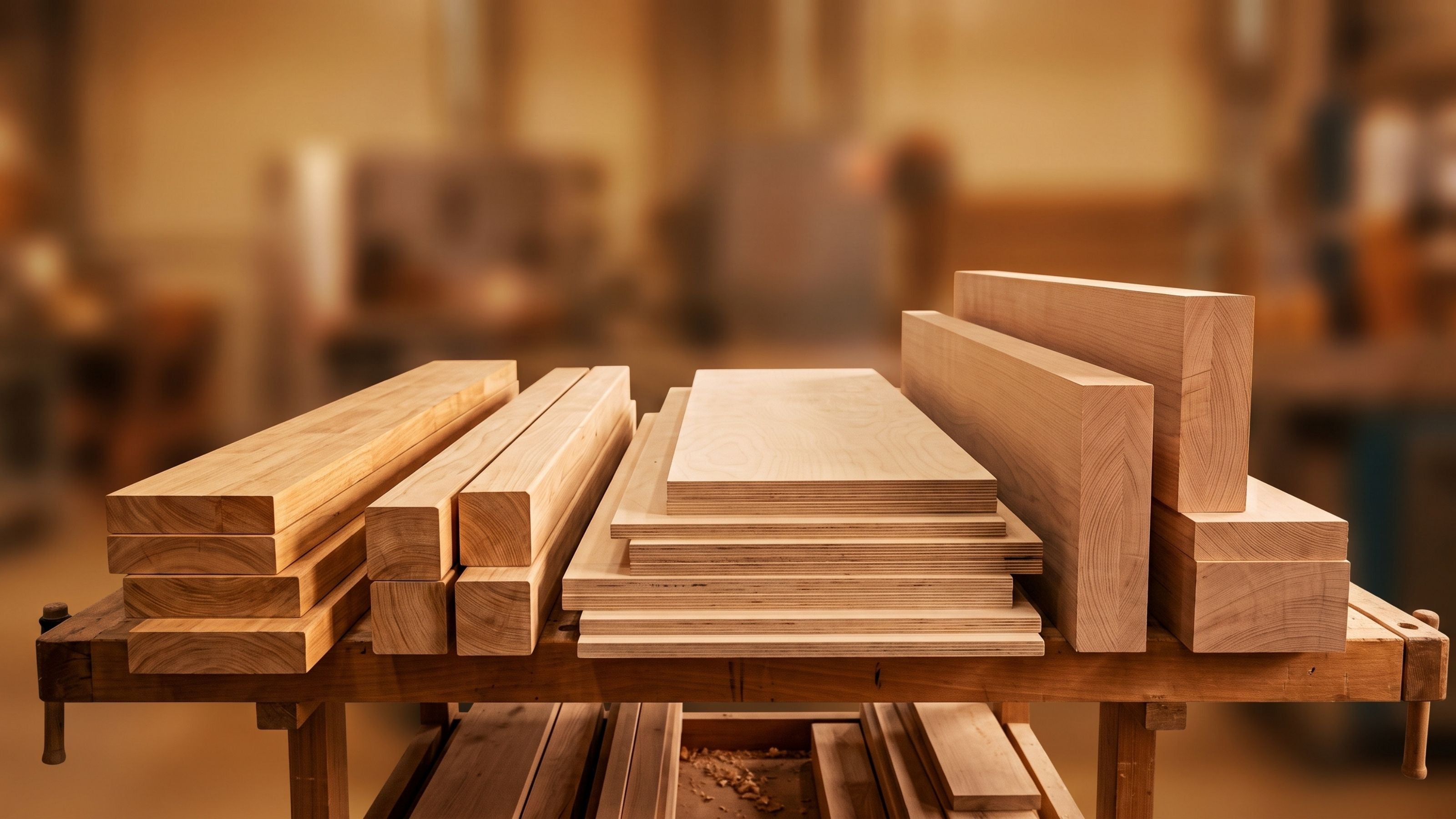
The Woods We Build With: Rubberwood, Plywood and Beech
Our kids furniture is built mainly from three woods, each picked for what it does best: solid rubberwood, plywood and beech. Here is what sets them apart, where we use each one, how they hold up to...
Read more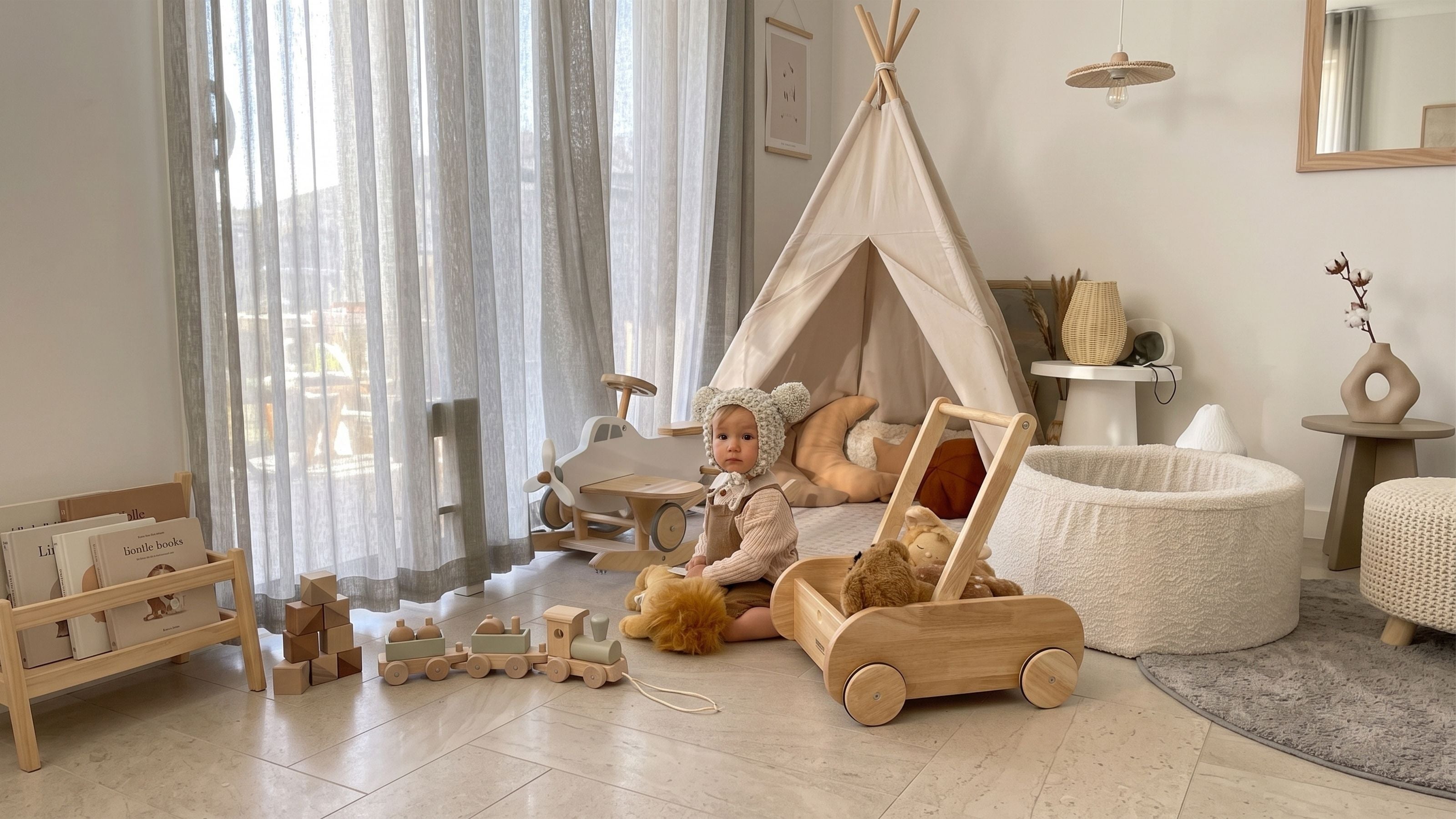
The Wooden Doll Pram: A Push Walker for Older Toddlers
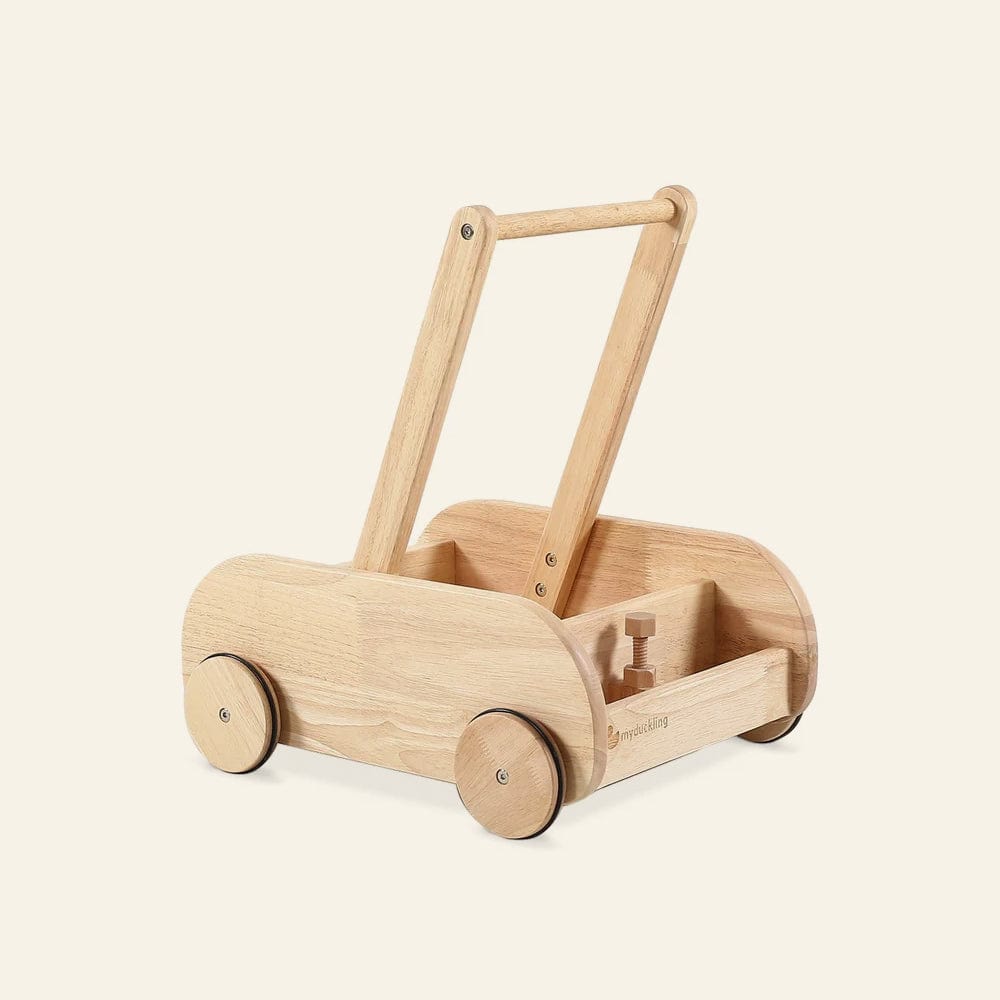
A wooden doll pram is a push walker for older toddlers, made for pretend play rather than first steps. Here is how it differs from a first push walker, who it suits, and what to look for in a stead...
Read more
Choosing a Kids Study Desk: Why a Tilting Top and Easel Help
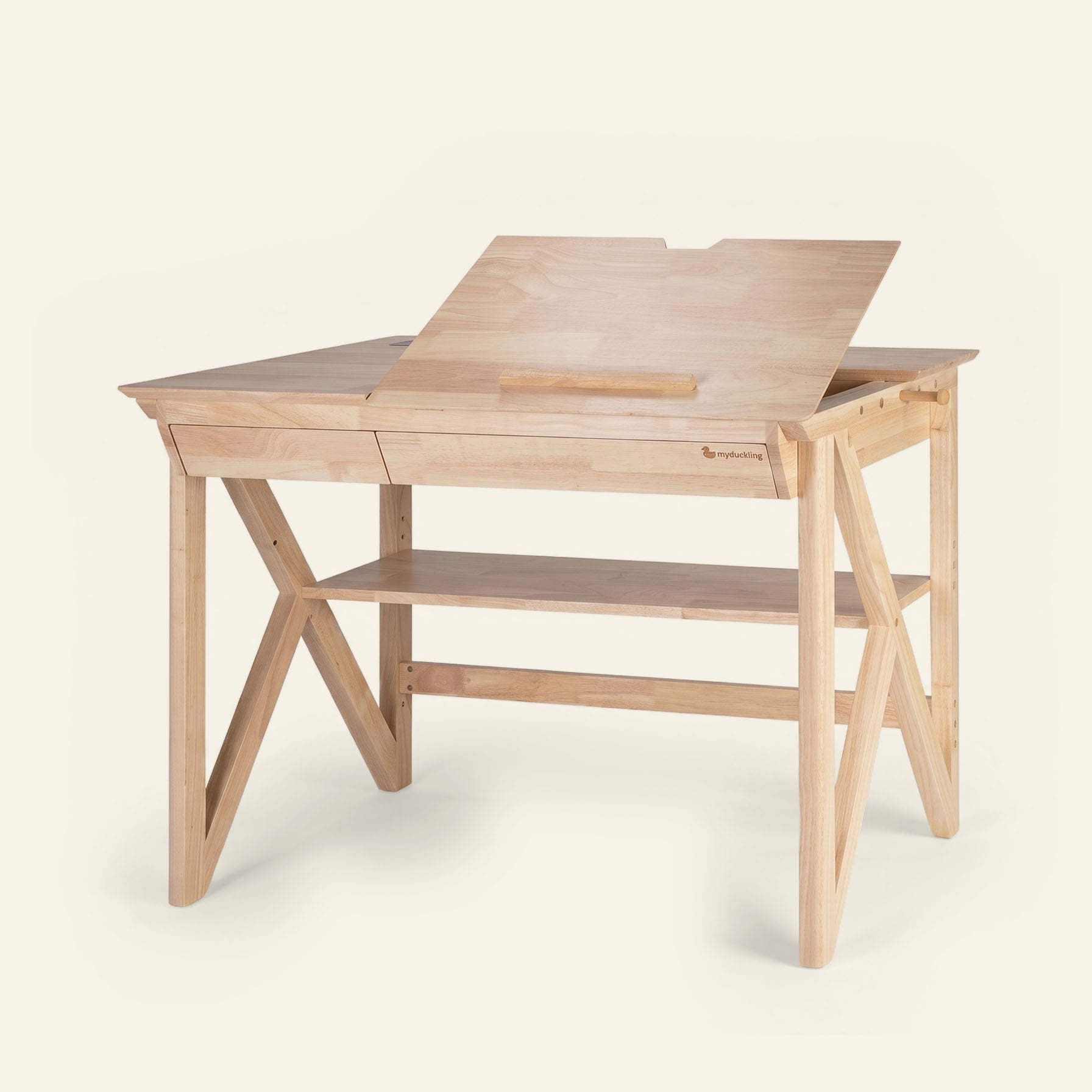
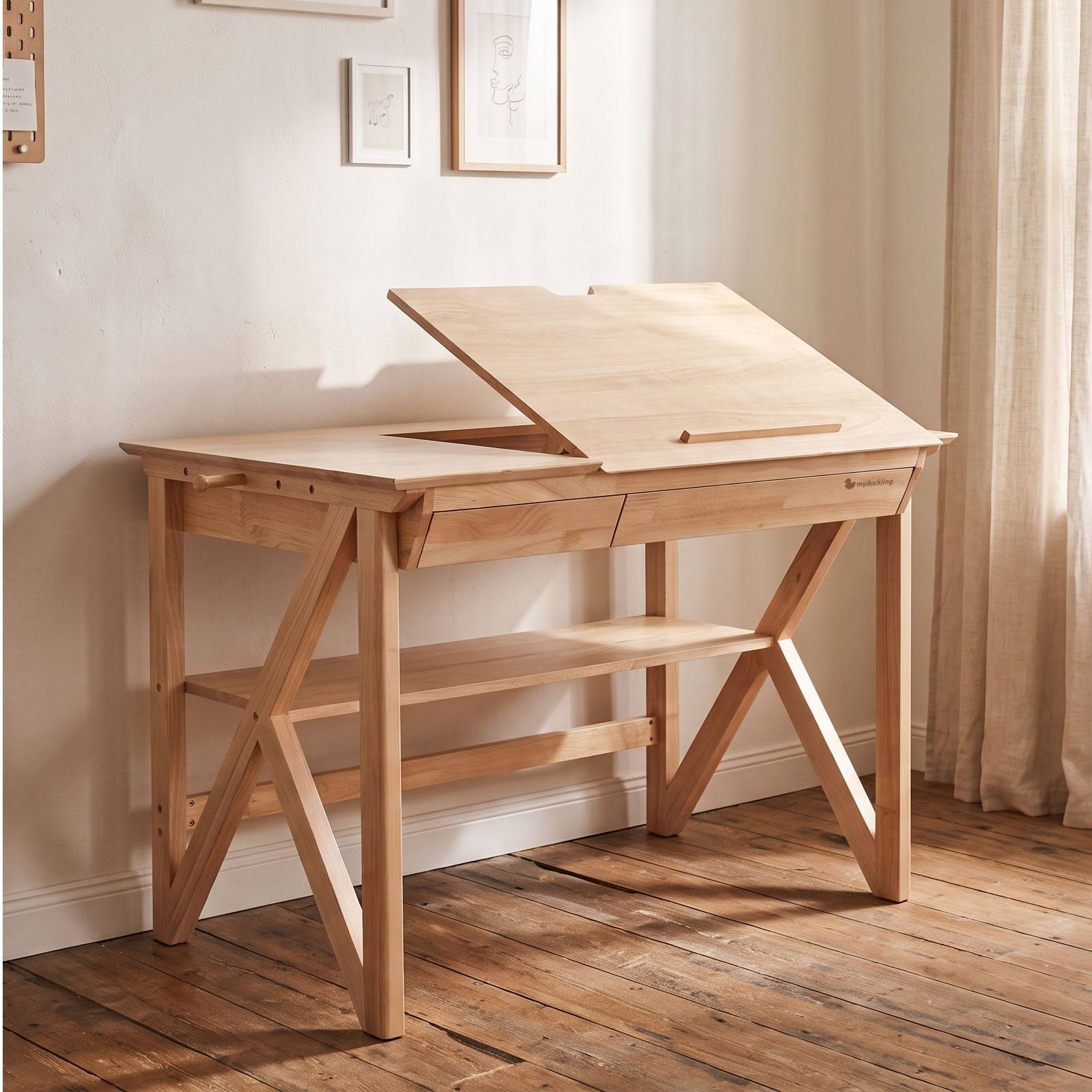
A kids study desk with a tilting top and an easel does more than hold a colouring book. The angle helps reading and drawing posture, the easel opens up standing creative play, and built-in storage ...
Read moreAdjusts as they grow
Water-based, non-toxic finishes
30-day returns, hassle-free
Tested to toy safety standards
2-year structural warranty