



How to Choose a Kids Study Chair That Supports Good Posture
A child who squirms, slides off the seat or ends up kneeling on the chair is usually not being difficult. The chair simply does not fit. When a study chair supports a child properly, with their feet resting on something solid and their back upright, sitting still and concentrating gets a great deal easier. This guide covers what makes a study chair work, how to match one to your child, and how the right chair keeps fitting as a child gets taller.
In This Article:
- Why the Chair Matters as Much as the Desk
- What to Look For in a Study Chair
- Matching the Chair to Your Child
- A Chair That Keeps Fitting for Years
- Settling a Child Into Good Sitting Habits
- Frequently Asked Questions
Why the Chair Matters as Much as the Desk
It is easy to focus on the desk and treat the chair as an afterthought, but the chair is where posture is won or lost. A child spends the whole activity sitting, and whether they can settle into it depends on how well the seat holds them.
The problem with an adult chair, or a dining chair pressed into service, is that a child's feet dangle. With nothing to brace against, they perch on the edge, hook their feet in the rungs or kneel up, and none of those last more than a few minutes. A chair sized for a child fixes the root of the fidgeting by giving their feet somewhere to rest and their back something to lean on.
There is a concentration angle too. A child who is physically uncomfortable spends part of their attention just managing their body, shifting, re-balancing, tucking a leg under. Take that away with a chair that supports them, and the same child has more attention left for the drawing or reading in front of them. The chair is not just about posture; it is about how long a child can stay with a task at all.
Get the chair right and the desk does its job. Get it wrong and even the best desk becomes a place a child avoids.

What to Look For in a Study Chair
A few features do most of the work:
- A footrest is the one to insist on. A child whose feet are supported can sit back and stay put; one whose feet dangle cannot. On the best chairs the footrest moves down as a child gets taller.
- An adjustable seat height, so the seat can be set to bring the child up to the desk with their forearms resting level on the top.
- A supportive backrest that meets the natural curve of the back, ideally one that adjusts up or tilts as a child gets taller.
- A steady, solid frame that does not tip when a child leans or shifts, and a wipe-clean seat for the inevitable mess.
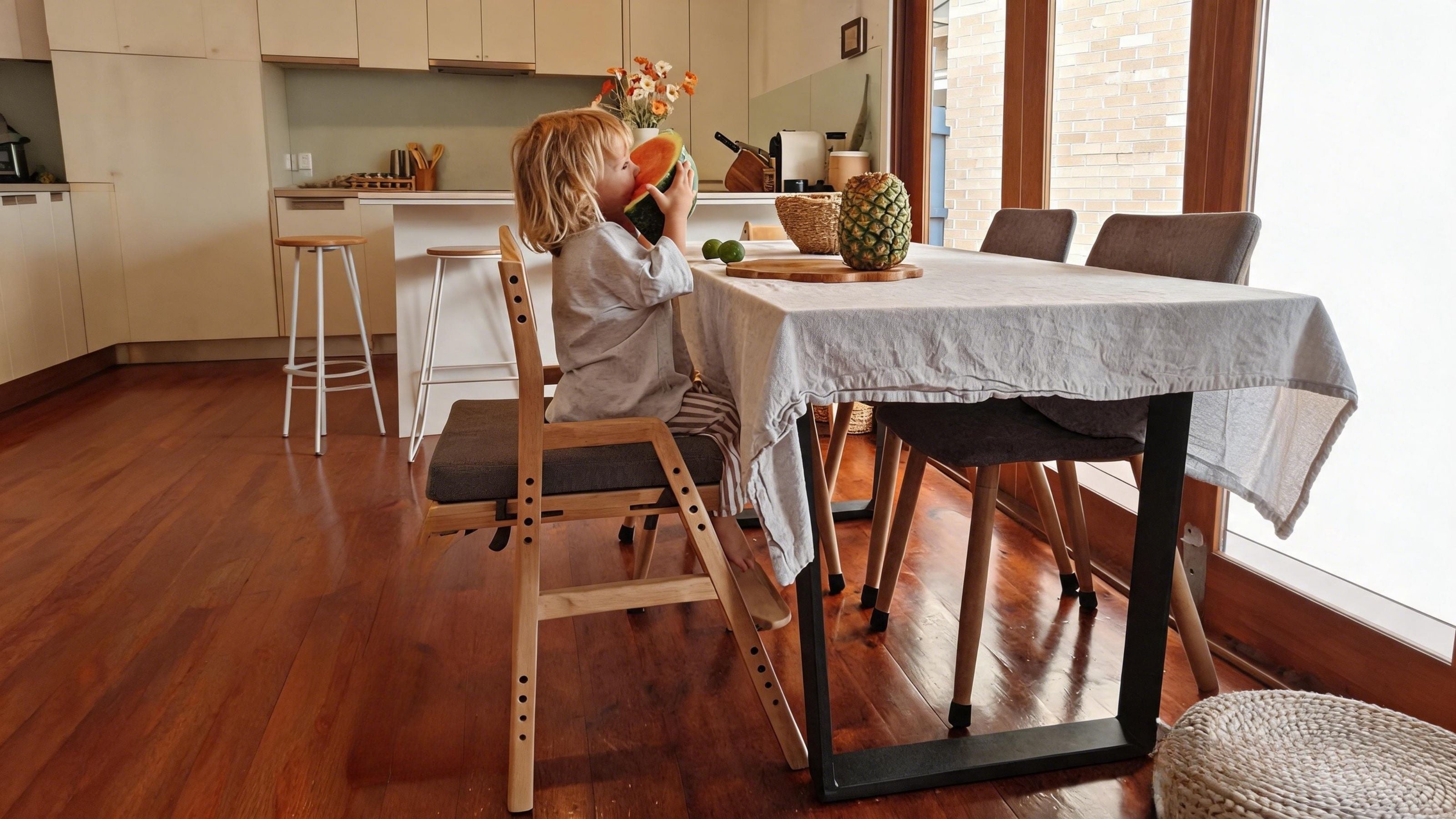
The NALA Adjustable Study Chair is built around these points: solid rubberwood, a seat that sets to several heights, a backrest that rises and tilts, and a footrest with three positions that comes out altogether for an older child. Its frame is rated to eighty kilograms, so it holds a child from the early years right through to adult use at a desk.
The reason the footrest matters so much is worth spelling out. When a child's feet press against a solid rest, that contact steadies the whole body and lets the back settle against the backrest. Without it, the legs hang as dead weight that drags a child forward off the seat, which is why a footrest, not the seat alone, is the feature that decides whether a child can sit comfortably for more than a few minutes.
Matching the Chair to Your Child
Fit beats age every time, and two quick checks get it right. Sit your child on the chair and look at their feet: they should rest flat on the footrest or floor with their knees bent at a comfortable right angle. Then look at their arms at the desk: their forearms should rest on the top without lifting their shoulders or reaching down.
If their feet dangle, raise the footrest or lower the seat; if their shoulders hunch, the seat is too low for the desk. A chair with several seat and footrest settings lets you make these small adjustments rather than settling for a rough fit. For the desk side of the same question, our guide to table and chair sizes by age walks through the measurements.
Not every chair needs a footrest built in. A younger child at a lower activity chair such as the KAYA Adjustable Chair reaches the floor with their feet once the seat is set to match their table, which does the same job at that size. The distinction is simple: a chair at desk height needs a footrest because the seat sits too high for feet to reach the floor, while a lower activity chair paired with a matching table lets the floor be the footrest.
When you set either chair up, make the change with your child sitting on it rather than guessing from their height. A minute spent adjusting the seat and footrest to the actual child in front of you beats any age chart, and it is the step most often skipped.
A Chair That Keeps Fitting for Years
Children get taller in bursts, and a fixed chair that fits at five is often wrong by seven. This is where an adjustable study chair pays for itself: you raise the seat, move the footrest and lift the backrest a step at a time, keeping the fit right for years from the same chair.
The furthest-reaching chairs carry a child well beyond primary school. Because the NALA study chair holds up to eighty kilograms and its footrest comes out for an older child, the same seat moves from early drawing and homework through to a teenager at a desk, and on into adult use. For a household that would rather buy once, that span is the point, and it changes how you think about the price: spread over ten years of daily use, a single adjustable chair costs less per year than replacing a fixed one twice.
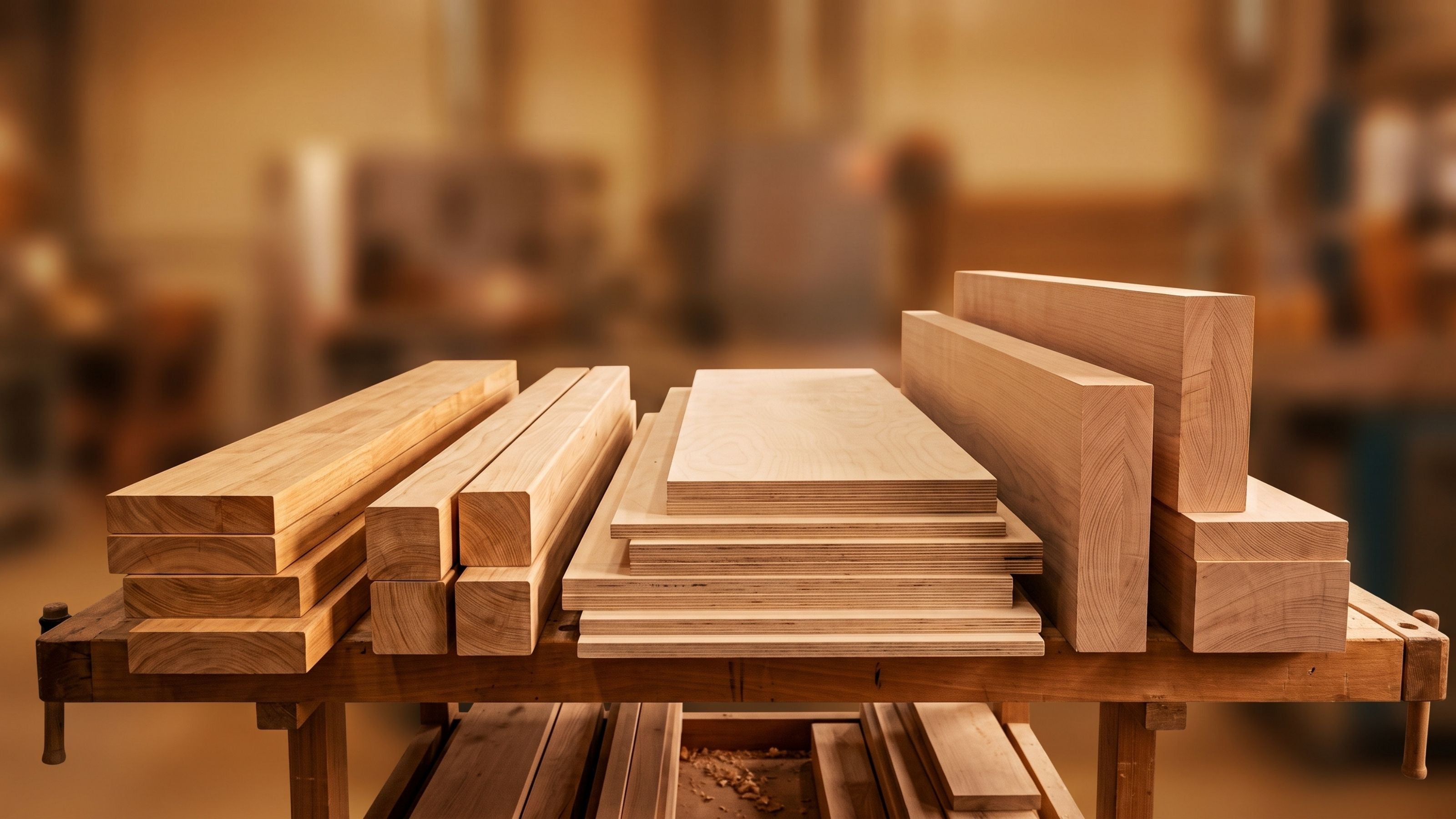
Solid timber matters here too. A chair that will be raised, leaned on and used daily for years needs to stay firm through all of it, where a lighter flat-pack chair tends to loosen and wobble. The joints on a chair that adjusts take more handling than a fixed one, so the material they are cut from is what decides whether it still feels solid on year five.

Settling a Child Into Good Sitting Habits
A well-fitted chair makes good posture the easy option, but a few habits help it stick. Set the chair up before your child sits down, so they start comfortable rather than adjusting mid-task, and check the fit again whenever you notice a growth spurt.
Keep early sessions at the desk short and let your child get up and move between them; no child sits for long stretches, and a chair they can climb on and off themselves makes those breaks easy to manage. Over time, sitting properly to draw, read or work becomes the ordinary way they use the desk, not something you have to remind them about.
It helps to let the chair be theirs. A child who can adjust their own seat, climb up unaided and push it in when they are done takes more care of the spot and returns to it more readily, which is the same independence a good study chair is built to allow. You can see the full range of chairs and the tables they pair with in the kids tables and chairs collection.
Frequently Asked Questions
What should I look for in a kids study chair?
The most important feature is a footrest, so a child's feet are supported and they can sit back instead of perching or fidgeting. After that, look for an adjustable seat height, a supportive backrest, and a steady solid frame. The best chairs let the footrest and seat move as a child gets taller.
Does a kids study chair need a footrest?
For a chair at desk height, yes. A child whose feet dangle has nothing to brace against, so they slide forward or kneel up. A footrest gives them a stable base and lets them sit back against the backrest. A lower activity chair works differently, as the child's feet reach the floor once the seat matches the table.
How do I know the chair is the right height?
Sit your child on it and check two things. Their feet should rest flat on the footrest or floor with knees bent at a right angle, and at the desk their forearms should rest on the top without lifting their shoulders. If their feet dangle or their shoulders hunch, adjust the seat or footrest a step.
Is an adjustable study chair worth it?
For most families, yes. Children get taller in bursts, so a fixed chair is often outgrown within a year or two. An adjustable chair keeps the fit right for years, and one rated to eighty kilograms with a removable footrest carries a child from the early years through to adult use.
Looking for a chair that supports good posture and keeps fitting? See the options in the kids tables and chairs collection.





Leave a comment
This site is protected by hCaptcha and the hCaptcha Privacy Policy and Terms of Service apply.