



What Makes a Bookcase Montessori?
Search for a Montessori bookcase and you will see the word attached to almost anything. It has become a label rather than a description, which makes it hard to know what actually earns the name. The Montessori part is not about a shelf being small or plain. It is about a bookcase a child can understand and use on their own, one that shows them what is there and invites them to choose for themselves. Here is what that looks like in practice, and what to look for when you buy.
In This Article:
- The Montessori Idea Behind a Child's Bookcase
- Front-Facing Display, Not Just a Short Shelf
- Why a Revolving Design Earns Its Place
- What to Look For in a Montessori Bookcase
- Setting It Up So a Child Uses It on Their Own
- Frequently Asked Questions
The Montessori Idea Behind a Child's Bookcase
Montessori is built on the idea that children learn best when they can do things for themselves. Furniture that follows it is made so a child can reach, use and tidy it without an adult stepping in each time. A bookcase fits this when a child can see the books on offer, take one they want, and put it back in its place afterwards.
That independence is the whole point. When a child can choose their own book and return it, reading becomes something they start rather than something handed to them, and packing away becomes part of the activity instead of a chore an adult does later. A bookcase that a child cannot manage on their own quietly hands all of that back to the grown-up, and the child learns to wait for help rather than to help themselves.
There is a quieter benefit too. A child who can find and return their own books starts to build a sense of order, of things having a place they belong. That habit is easy to underrate, but it is the seed of a tidy reading corner a few years later, and it comes from the furniture being within their control rather than from being told to tidy up.
So the test of a Montessori bookcase is simple: can a young child, on their own, see what is there, take a book and put it back? Everything else follows from answering yes to that, and most of the features worth paying for are really just different ways of making the answer yes.
Front-Facing Display, Not Just a Short Shelf
The most common picture of a Montessori bookcase is a plain flat shelf a toddler stands in front of. Height is part of it, but the piece that really matters is easy to miss: the books face outward, so a child sees the covers rather than a row of thin spines.
This front-facing display is what lets a child who cannot yet read choose a book. They recognise the cover of a favourite and reach for it, the same way an adult browses a shop display rather than a packed shelf. A standard spine-out shelf hides all of that, so a young child either gives up or pulls everything down looking for the one they want. A front-facing bookcase turns the covers into the invitation, and a child who can see what is on offer is far more likely to pick something up in the first place.
It changes how a child treats books, as well. When the covers are on show, a child returns a book cover-out because that is how it came, so the display stays readable instead of collapsing into a jumble within a day. A spine-out shelf gives them nothing to copy, so books go back any way at all and the order is lost. The front-facing layout teaches the tidying without a word being said.
It is worth being honest about reach. On a taller bookcase the upper shelves sit above a toddler, so those become the spot for the grown-up to keep the wider collection, while the shelves a child can reach hold the few books they are choosing from now. Front-facing display is what makes those reachable shelves work, not the height of the piece on its own.
Why a Revolving Design Earns Its Place
A revolving bookcase takes the front-facing idea further. Because it turns a full circle, every side faces the child in turn, so a compact footprint holds far more covers on show than a single flat run of shelf against a wall. In a small bedroom or a shared room, that matters, because you get the display of a long wall of shelving in the space of a single corner.
The BINDI Revolving Bookcase is built around this: a four-sided tower of solid rubberwood that spins a full 360 degrees on a weighted base, showing covers outward on every face. A child walks up, turns it to the book they want and takes it, then spins it back. The turning is part of the appeal, and it keeps the whole collection in view without a long wall of shelving. Three tiers hold a surprising amount, in the order of a few hundred books across the four sides, so a single piece carries a growing collection for years.

The spinning does more than save space; it draws a child in. Turning the bookcase to see what is on the next side is a small act of choosing, and children who might walk past a static shelf will stop to spin one and end up with a book in hand. It makes browsing itself part of the play.
A steady, weighted base matters on a design like this, so the bookcase stays planted when a child leans in or gives it a spin. Solid timber and a wide foot do that work, where a light frame would rock. It is one of those details that does not show in a photo but decides whether the piece feels trustworthy in a room full of small children.
What to Look For in a Montessori Bookcase
Beyond the front-facing display, a few practical things separate a bookcase a child really uses from one that just looks the part:
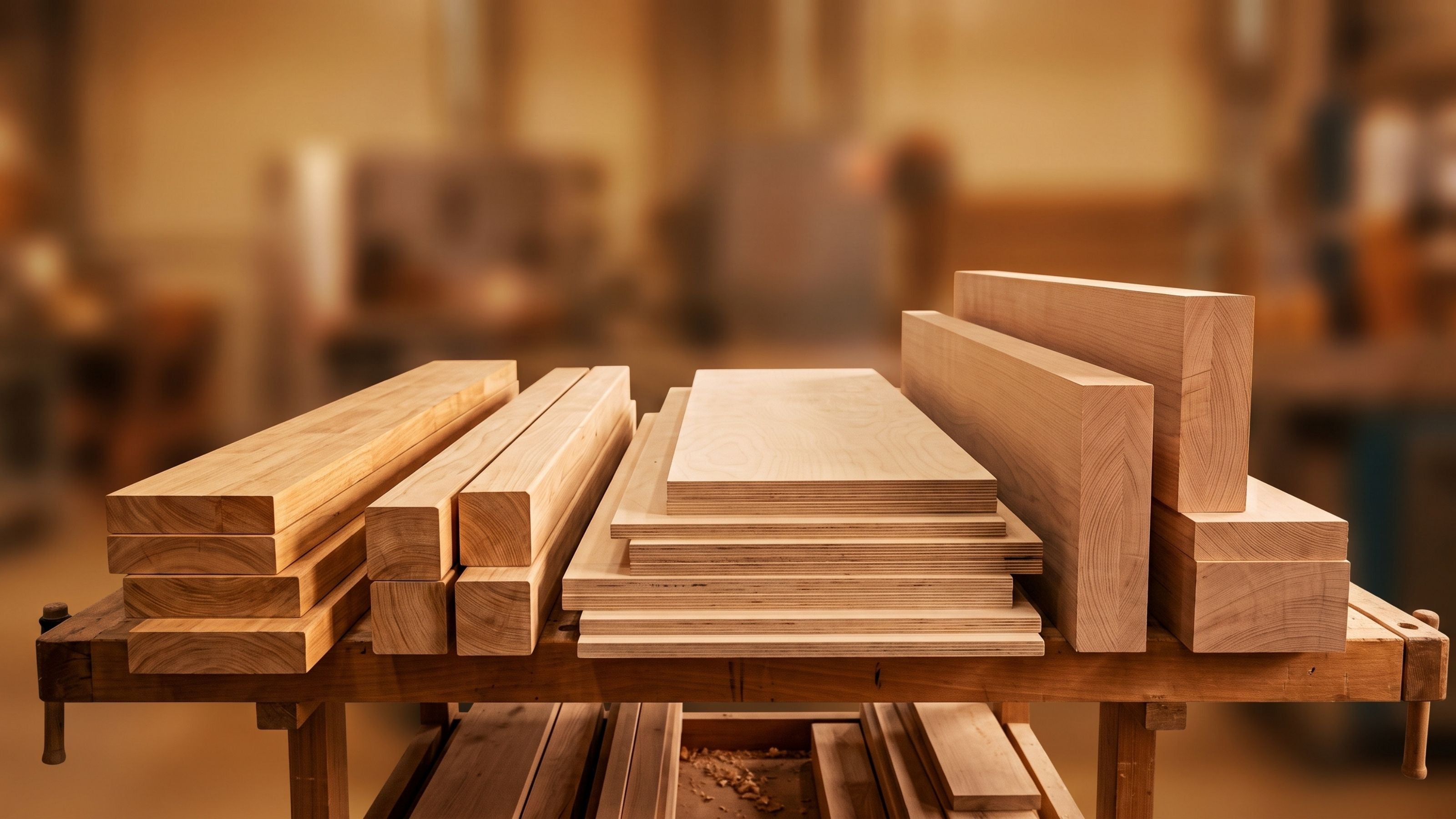
- Solid timber and a steady base, so the bookcase holds firm when a child leans on it or pulls a book from the edge.
- Rounded, sanded edges, because a child uses this piece up close and unsupervised.
- The right number of shelves for their age, with the reachable ones holding a small, changing selection rather than the whole library at once.
- Somewhere to tidy the extras, such as removable boxes for the toys and odds and ends that always end up alongside the books, so packing away stays simple.
The BINDI bookcase covers these with rounded edges, a weighted base, duck-shaped dividers that keep a row of books upright, and removable storage boxes with wooden pegs behind them for bags and hats. Those small extras matter more than they sound: the dividers stop books sliding into a heap, and the boxes give the stray blocks and soft toys a home so the shelves stay for books.
If you want to compare the revolving design against a flat adjustable shelf like the NALA Adjustable Bookshelf, our guide to the types of kids bookshelves sets them side by side, so you can weigh a turning tower against a shelf you can re-space as a child gets taller.

Setting It Up So a Child Uses It on Their Own
A Montessori bookcase works best with fewer books on show, not more. A handful of titles a child can actually choose between beats a crammed shelf they cannot take in, and swapping the selection every week or so keeps it fresh without buying anything new. Keep the books a child is choosing from now on the shelves they can reach, and use the upper shelves for the rest.
Rotating the books is a quiet trick worth using. Pack most of the collection away and bring out a small set, then swap it every week or so; an old book returning after a month away lands like a new one. It keeps a child interested in what is on the bookcase and saves the shelves from being so full that nothing stands out.
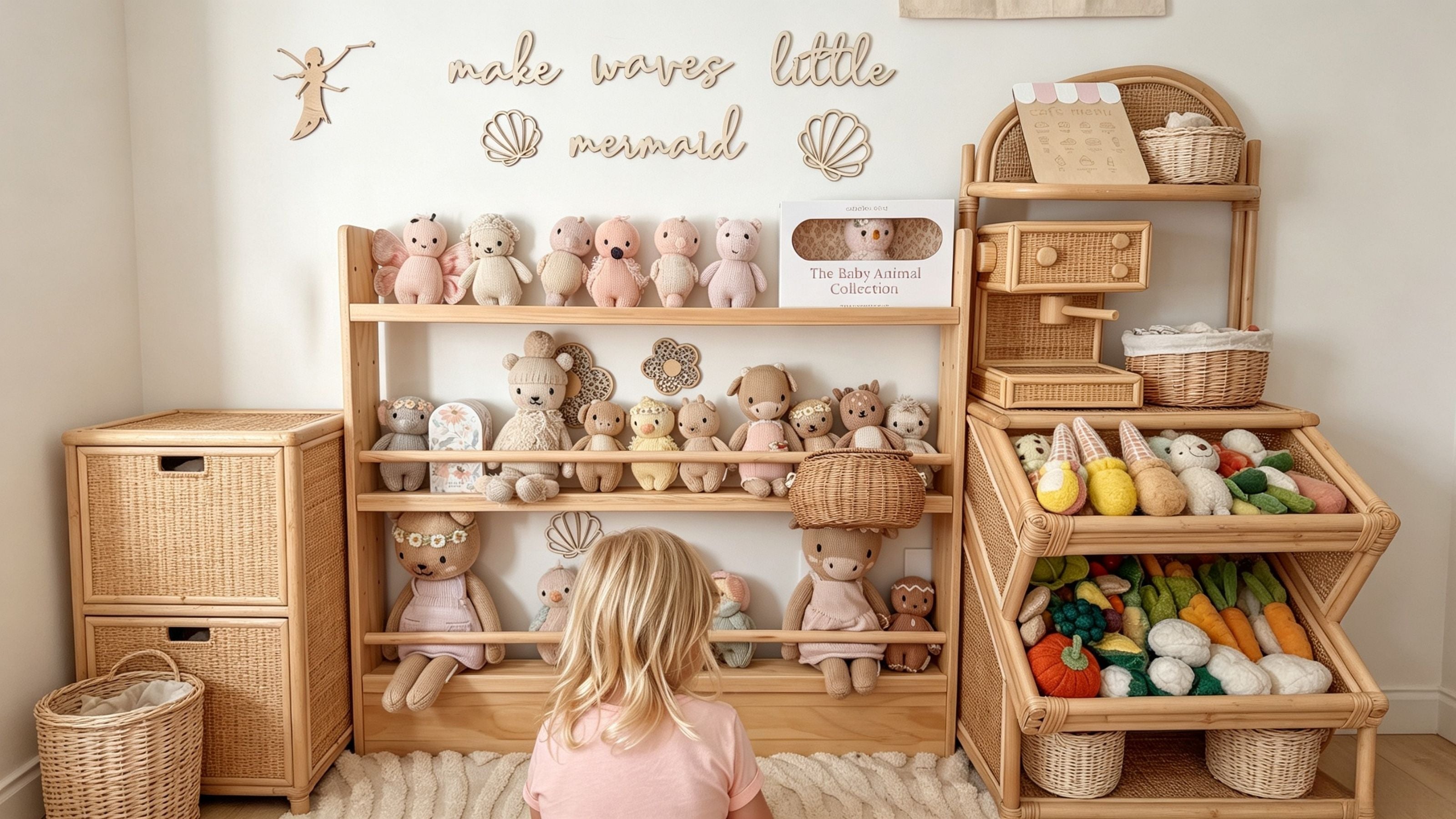
Put the bookcase where your child already spends time, near a comfortable spot to sit, so picking a book and settling down to look at it happens in one move. A reading corner a child sets up and packs away themselves builds the habit far better than a shelf they are lifted up to, and a rug or a cushion beside the bookcase is often all it takes to turn a corner into that spot.
Show them once how to take a book and turn the bookcase to put it back, then let them run it. The point of the whole design is that, after that first show, they do not need you for it. For more on why families here reach for these, our note on choosing a kids bookcase covers the everyday side.
Frequently Asked Questions
What makes a bookcase Montessori?
A Montessori bookcase is one a child can use on their own: it shows book covers face-out so a child who cannot yet read can choose for themselves, and it is built so they can take a book and put it back without help. Front-facing display matters more than the shelf simply being short.
Is a front-facing bookcase better than a normal shelf?
For young children, yes. A front-facing bookcase shows covers rather than thin spines, so a child recognises a favourite and reaches for it. A standard spine-out shelf hides the books, so a toddler often gives up or pulls the whole row down looking for one.
What age is a Montessori bookcase for?
A front-facing bookcase suits a child from around their first year, when they start reaching for books, through the early school years. Keep the books a child chooses from on the shelves they can reach, and use any higher shelves for the wider collection.
Why choose a revolving bookcase?
A revolving bookcase turns a full circle, so every side faces the child in turn and a compact footprint holds far more covers on show than one flat run of shelf. It suits a small bedroom or a shared room, and the turning is part of what draws a child to it.
Want to see a front-facing design up close? Browse the Montessori kids bookcases and find the one that fits your child's room.





Leave a comment
This site is protected by hCaptcha and the hCaptcha Privacy Policy and Terms of Service apply.