Skip to content

Cart

Your cart is empty

Article: 5 Types of Kids Bookshelves Compared: Find the Perfect One for Your NZ Home

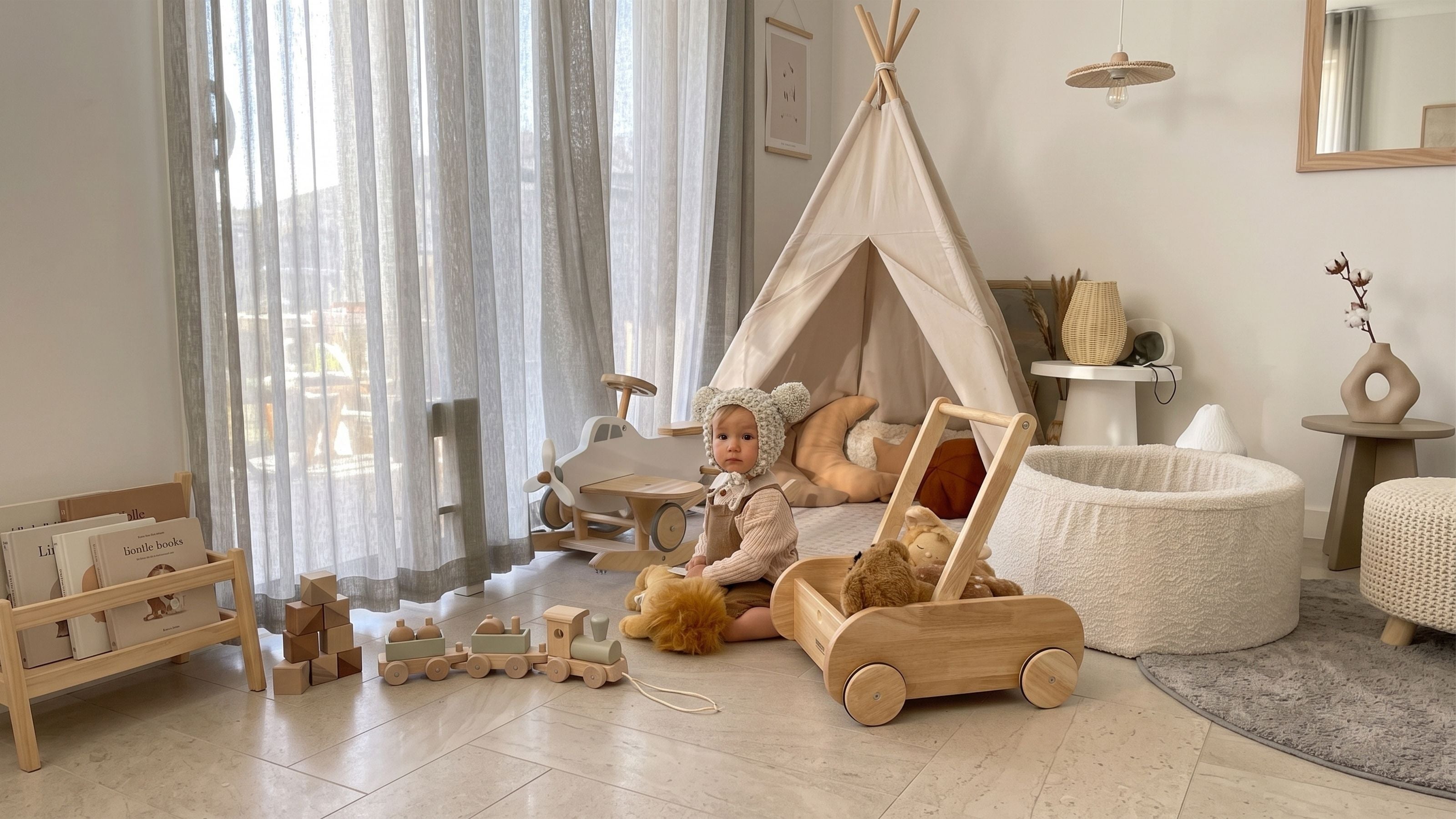
Five types of kids bookshelves compared side by side including Montessori front-facing rotating ladder wall-mounted and multi-functional styles

5 Types of Kids Bookshelves Compared: Find the Perfect One for Your NZ Home

Choosing a kids bookshelf sounds simple — until you discover there are at least five distinct styles, each designed for different ages, room sizes, and reading habits. A Montessori front-facing shelf works brilliantly for a curious toddler, but a rotating bookcase might be the smarter pick if you're short on floor space.
This guide breaks down every type of kids bookshelf available in New Zealand, compares them side by side, and helps you match the right style to your child's age and your home. Whether you're setting up a first nursery or upgrading a school-age reading corner, you'll find practical advice grounded in both Montessori principles and real NZ family life.

In this Article:

Why the Type of Bookshelf Matters

 Not all bookshelves serve the same purpose for children. The design directly influences how a child interacts with their books — and by extension, how often they pick one up to read.

Research in early childhood education consistently shows that book-display method affects reading frequency. Front-facing displays, where children can see the full cover rather than just the spine, increase independent book selection in toddlers and preschoolers. This is the core principle behind Montessori-style bookshelves, and it's why style choice matters more for kids' shelves than for adult furniture.

Beyond reading behaviour, the right bookshelf type also determines how much storage you get per square metre of floor space — a real consideration in many New Zealand homes where kids' rooms tend to be compact. A rotating bookcase, for example, can hold 100+ books in roughly 30 cm × 30 cm of floor space, while a wall-mounted shelf needs zero floor space but holds far fewer titles.

5 Types of Kids Bookshelves Compared

1. Montessori Front-Facing Bookshelf

A Montessori bookshelf displays books face-out in shallow, tiered slots — like a bookshop display rather than a library shelf. The child sees full covers instead of spines, making it easy for even pre-readers to choose books independently.
Best for: Toddlers (12 months – 3 years) and preschoolers who are just developing independent reading habits.
Pros:
  • Encourages self-directed book selection — a core Montessori principle
  • Low height makes it accessible without adult help
  • Visual display turns books into room decor
  • Supports "book rotation" (displaying 8–12 titles at a time, swapping weekly)
Cons:
  • Holds fewer books than vertical shelves (typically 15–20 front-facing)
  • Requires regular rotation if your child has a large collection
  • Takes more wall space per book stored
NZ context: Montessori bookshelves are increasingly popular with Kiwi parents — particularly solid wood versions that suit the natural, minimalist aesthetic common in NZ homes. Look for shelves made from sustainably sourced rubberwood or pine with non-toxic finishes.

2. Rotating Bookcase

A rotating bookcase (sometimes called a revolving bookshelf) sits freestanding and spins 360°, giving access to books on all sides. It's essentially a compact book tower that maximises storage in a minimal footprint.
Best for: Families with large book collections, small bedrooms, or shared kids' rooms where floor space is limited.
Pros:
  • Highest book capacity per square centimetre of floor space — a quality rotating shelf holds 100–200 books
  • Freestanding design means no wall mounting required
  • The spinning action makes finding books engaging for kids
  • Works from toddler years right through to teens
Cons:
  • Heavier than other styles (solid wood versions weigh 8–15 kg)
  • Needs clearance space around it for rotation
  • Toddlers under 18 months may find it harder to use independently
NZ context: Rotating bookshelves are particularly practical in NZ apartments and townhouses where rooms are compact. A solid wood rotating bookcase in the 60–80 cm height range suits most kids' rooms. myduckling's BINDI Revolving Solid Wood Bookcase is a popular NZ choice, built from 18mm rubberwood with rounded edges throughout.

3. Ladder / Tiered Bookshelf

A ladder bookshelf leans against the wall at a gentle angle, with shelves that get progressively shallower toward the top — like an A-frame or lean-to design. Some versions stand upright with evenly spaced tiers.
Best for: Preschoolers (3–5 years) and school-age children who need a mix of display and storage capacity.
Pros:
  • Combines front-facing display on upper tiers with deeper storage below
  • The angled design creates natural "zones" for different book sizes
  • Visually striking — works as a feature piece in a reading corner
  • Adjustable-shelf versions grow with your child
Cons:
  • Must be secured to the wall for safety (anti-tip hardware essential)
  • Upper shelves may be out of reach for toddlers
  • Angled design means slightly less usable depth on top shelves
NZ context: If you're looking for a bookshelf that transitions from toddler through to primary school age, an adjustable tiered shelf is a smart investment. Solid pine or rubberwood versions with adjustable shelf heights let you start with wide picture-book spacing and gradually tighten it as your child moves to chapter books.

4. Wall-Mounted / Floating Shelves

Wall-mounted shelves or floating ledges attach directly to the wall at child height. They're essentially narrow ledges that hold books face-out — similar to the Montessori approach, but using wall space instead of floor space.
Best for: Tiny rooms, nurseries, and reading nooks where floor space is at a premium, or as a supplement to a larger bookshelf.
Pros:
  • Zero floor space used
  • Can be mounted at the perfect height for your child
  • Easy to add more shelves as the collection grows
  • Creates a gallery-like book display on the wall
Cons:
  • Limited capacity (each ledge holds 5–8 books)
  • Requires wall drilling — may not suit rental properties
  • Not practical as a sole storage solution for large collections
  • Books can fall off if not properly contained
NZ context: Wall-mounted shelves work beautifully in NZ rental-friendly configurations when combined with a freestanding bookshelf. Use floating ledges for "currently reading" display near the bed, and a rotating or tiered shelf for main storage. Check your tenancy agreement before drilling — most NZ landlords allow picture-hanging fixtures with proper repair at end of tenancy.

5. Multi-Functional Storage Bookshelf

These designs combine book storage with other functions — toy bins, seating areas, or desk surfaces. Think cube storage units with book-facing inserts, or bench seats with bookshelves underneath.
Best for: Playrooms, shared spaces, and families who need one piece of furniture to handle multiple storage needs.
Pros:
  • Maximises functionality in one footprint
  • Keeps books alongside toys for integrated play
  • Often includes open and closed storage (books + bins for toys)
  • Grows with the child as storage needs change
Cons:
  • Book display is sometimes secondary to general storage
  • Larger footprint than single-purpose bookshelves
  • Can look cluttered if not well organised
  • May compromise on either book storage or toy storage
NZ context: Multi-functional units suit open-plan NZ living areas where the playroom is also the lounge. Opt for natural wood finishes that blend with adult furniture. Cube-style organisers with dedicated book-facing inserts give you the best of both worlds.

How to Choose by Age

Babies & Young Toddlers (6–18 months)

At this age, children are just beginning to explore books as objects. They'll chew them, throw them, and occasionally flip through the pages. The priority is safe access to a small, curated selection.
Best types: Montessori front-facing shelf (low height, stable base) or wall-mounted ledges at floor level. Display 5–8 board books with sturdy covers. Place the shelf in a safe area with a soft mat underneath for sitting.

Toddlers & Preschoolers (18 months – 5 years)

This is the golden age for developing independent reading habits. Children should be able to browse, select, and return books without help — the Montessori approach in action.
Best types: Montessori front-facing shelf for curated display plus a rotating bookcase for deeper storage. This combination gives you the best of both worlds: a visible "weekly picks" display and easy access to the full collection.

School-Age Children (5–10+ years)

As children transition to chapter books, spine-out storage becomes practical and space-efficient. Reading habits are more established, so the focus shifts from display to capacity and organisation.
Best types: Rotating bookcase (still excellent for space efficiency) or ladder/tiered bookshelf (adds visual interest to the room). Consider adjustable shelves that accommodate different book heights — picture books, chapter books, and encyclopaedias all have different dimensions.

Materials & Safety: What NZ Parents Need to Know

Safety Features Checklist

When evaluating any kids bookshelf, check for:
  • Rounded edges and corners — no sharp edges at child head height
  • Anti-tip hardware included for any shelf taller than 60 cm
  • Non-toxic finish — water-based lacquer or natural oil finish preferred over solvent-based paints
  • Stable base — the shelf should not wobble or tip when a child leans on it
  • Weight rating — ensure the shelf can handle the actual weight of a full book collection (books are surprisingly heavy — a shelf of 50 picture books weighs roughly 15–20 kg)
  • Compliance — look for products tested to AS/NZS safety standards for children's furniture

Safety Note: All myduckling furniture is tested for structural integrity and uses non-toxic, eco-friendly finishes, ensuring a safe environment for your little ones to explore.

Styling & Organisation Tips

The Book Rotation Method

Instead of displaying every book at once, try the Montessori book rotation approach: display 8–12 titles on a front-facing shelf, and store the rest in a rotating bookcase or closed storage. Swap the display selection weekly.
This approach keeps the visible collection fresh and exciting while preventing overwhelm. Children aged 2–5 are particularly responsive to rotation — a "rediscovered" book from storage often gets read more enthusiastically than one that's been on display for months.

Organisation by Category

For school-age children with larger collections, introduce simple categorisation:
  • Fiction and stories on one shelf or section
  • Non-fiction and learning on another
  • Current favourites displayed front-facing at eye level
  • Seasonal or themed rotation near a reading chair
Use small, simple labels with both words and pictures for pre-readers. This builds early literacy skills while keeping the shelf tidy.

Creating a Reading Corner

A bookshelf becomes more powerful as part of a dedicated reading space. Pair your bookshelf with:
  • A comfortable floor cushion or small beanbag
  • Natural light source (position near a window if possible — NZ's natural light is one of our best assets)
  • A small rug to define the space
  • A soft lamp for evening reading
The goal is a space that invites your child to sit down with a book — not because they're told to, but because the environment draws them in.

Frequently Asked Questions

Q: What type of kids bookshelf holds the most books?

A: A rotating bookcase holds the most books relative to floor space — typically 100–200 books in a footprint of roughly 30 cm × 30 cm. For sheer total capacity, a large tiered bookshelf can hold more overall, but it requires significantly more wall and floor space.


Q: Are Montessori bookshelves worth it for toddlers?

A: Yes. Montessori front-facing bookshelves display book covers rather than spines, which is critical for pre-readers who identify books by their cover images. This design encourages independent book selection from around 12 months of age. The investment pays off in reading habit development during the formative 1–4 year age range.


Q: How tall should a kids bookshelf be?

A: For toddlers (1–3 years), keep shelves below 60 cm so they can reach the top shelf independently. For preschoolers (3–5), up to 80 cm works well. School-age children can use shelves up to 120 cm, but any shelf above 60 cm should be secured to the wall with anti-tip hardware.


Q: Can I use a kids bookshelf in a rental property?

A: Freestanding styles — Montessori front-facing shelves and rotating bookcases — are ideal for rentals as they require no wall mounting. If you prefer a ladder shelf, use furniture straps attached to wall anchors (small holes that are easily patched when you move out). Wall-mounted floating shelves require drilling and may need landlord approval.


Q: How many books should I display on a kids bookshelf?

A: For toddlers and preschoolers, display 8–12 books at a time on a front-facing shelf, using the book rotation method to keep selections fresh. School-age children can manage larger visible collections of 30–50 books organised by category. The key principle: fewer displayed books with regular rotation beats a crammed, overwhelming shelf.

Ready to Find Your Perfect Kids Bookshelf?
The right bookshelf depends on your child's age, your available space, and how your family reads together. For most NZ families, we recommend starting with a combination: a Montessori front-facing shelf for curated display alongside a rotating bookcase for main storage. This pairing covers your child from toddlerhood through to primary school.
Explore our full range of kids bookshelves and bookcases — all crafted from solid wood with child-safe finishes, designed to grow with your family.


Leave a comment

This site is protected by hCaptcha and the hCaptcha Privacy Policy and Terms of Service apply.

Blog posts

Five types of kids bookshelves compared side by side including Montessori front-facing rotating ladder wall-mounted and multi-functional styles

5 Types of Kids Bookshelves Compared: Find the Perfect One for Your NZ Home

Choosing the right kids' bookshelf is about more than just storage—it's about fostering a love for reading. From Montessori front-facing displays to space-saving rotating bookcases, explore our 202...

Read more
NZ baby pulling to stand on furniture barefoot at 9 months.

When Do Babies Start Pulling to Stand? (8-12 Months Guide)

Is your baby reaching for the coffee table? Pulling to stand is a major gross motor skill milestone typically occurring between 8-12 months. Learn how to support your baby’s development, identify e...

Read more
Why Choose myduckling Children’s Furniture

Why Choose myduckling Children’s Furniture

Choosing quality myduckling children’s furniture ensures that it will be with them throughout their growing years and beyond.When selecting furniture for your child’s room, there are many things to...

Read more