

When Do Babies Start Pulling to Stand? (8-12 Months Guide)
There is a specific moment of panic every Kiwi Mum knows well. You turn your back for two seconds to pour a flat white, and suddenly, your crawling pēpi (baby) is no longer on the floor. They are wobbling precariously, clutching the bars of the cot or the edge of the coffee table, grinning wildly at their new vertical perspective.
Welcome to the "Pulling to Stand" phase. It is one of the most exciting—and nerve-wracking—milestones in your child’s first year.
While it signals that walking is on the horizon, it also means your quiet days of putting your baby down in one spot are officially over. But is your little one on track? Here is the medically accurate guide to this major gross motor milestone for New Zealand families.
In this article:
Baby Development Milestones: When do babies actually start pulling to stand?
Most babies will begin pulling themselves up to a standing position between 9 and 12 months of age. However, typical development varies, and it is considered normal for infants to attempt this skill as early as 8 months or as late as their first birthday, depending on their muscle tone and confidence.
According to KidsHealth NZ (supported by the Paediatric Society of New Zealand), pulling to stand requires significant upper body strength. Babies usually master this skill after they have gained confidence in sitting without support and crawling.
Once they master the pull-up, the next stage is usually "cruising"—shuffling sideways while holding onto furniture—which often happens just weeks later.
The Power of the "Half-Kneel": What to Expect
Development isn't always linear, but most tamariki (children) follow this general progression:
8 Months: The "Knee Pull"
Your baby may start trying to pull themselves up using your legs or low furniture but often gets stuck on their knees. They are testing their upper body strength but haven't engaged their feet yet.
9-10 Months: The "Wobbly Stand"
They begin to pull up to a full stand more consistently on sturdy objects like the sofa. You might see them lift one foot and then the other (half-kneel position). They often hold on for dear life with both hands!

11-12 Months: Confidence & Cruising
By their first birthday, many babies can stand holding on with just one hand to reach for a toy. They will likely start "cruising" along the furniture to get from point A to point B.
Expert Tips: Signs your baby is ready to stand
Before they actually hoist themselves up, your baby is building the necessary muscle tone. Plunket Whānau Āwhina nurses suggest watching for these cues:
-
Strong Trunk Control: They can sit upright for long periods without toppling over.
-
Furniture Interest: They reach for surfaces above eye level, such as the coffee table or the dog’s bed.
-
The "Squat": You catch them playing while sitting on their heels or kneeling.
-
Planting Feet: When you hold them under their arms, they firmly plant their feet on the floor and try to bounce or bear weight.
Is it normal if my baby isn't pulling up by 12 months?
This is one of the most common questions asked in GP offices across Aotearoa.
The short answer is: Generally, yes.
New Zealand pediatric guidelines emphasize that child development is a range, not a deadline. While the average is around 9-10 months, many perfectly healthy babies focus on other skills first—like fine motor control or language—before mastering gross motor skills.
However, Healthify (He Puna Waiora) recommends seeing your GP or Plunket nurse if your child:
-
Is not bearing any weight on their legs by their first birthday.
-
Seems unusually "floppy" (low muscle tone) or stiff.
-
Only uses one side of their body to pull up (asymmetry).
My baby stands up but can't get down—what do I do?
This is a classic 10-month-old dilemma! Your baby has the strength to pull up (concentric muscle action) but hasn't yet figured out the control needed to lower themselves gently (eccentric muscle action). This often leads to crying in the cot at 2 AM.
Instead of lifting them down immediately:
-
Guide, Don't Lift: Gently bend their knees and guide their hips down to show them the motion.
-
Practice During the Day: Use a soft play mat so the inevitable "plonk" doesn't hurt.
-
Be Patient: This "stuck" phase usually lasts about 2-3 weeks before they learn to sit down safely.
Best Gear for Standing Practice: From Kmart to Learning Towers
In 2026, many Kiwi parents are moving away from the old-school plastic "sit-in walkers" (which Plunket actually discourages due to safety risks) and looking for tools that support natural movement.
At this wobbly 8-10 month stage, stability is everything. You don't need expensive equipment yet; you need heavy, low-centre-of-gravity objects that won't tip over.
Here are the best options you can find at local stores like Kmart, Farmers, or The Warehouse:
1. The Sturdy Wooden Activity Cube
Instead of light plastic tables that slide away, look for a solid wooden activity cube. These are usually heavy enough to stay put when a baby hauls themselves up. The engaging toys on top encourage them to stay standing to play, building core endurance.

2. A Weighted Wagon (Push Walker)
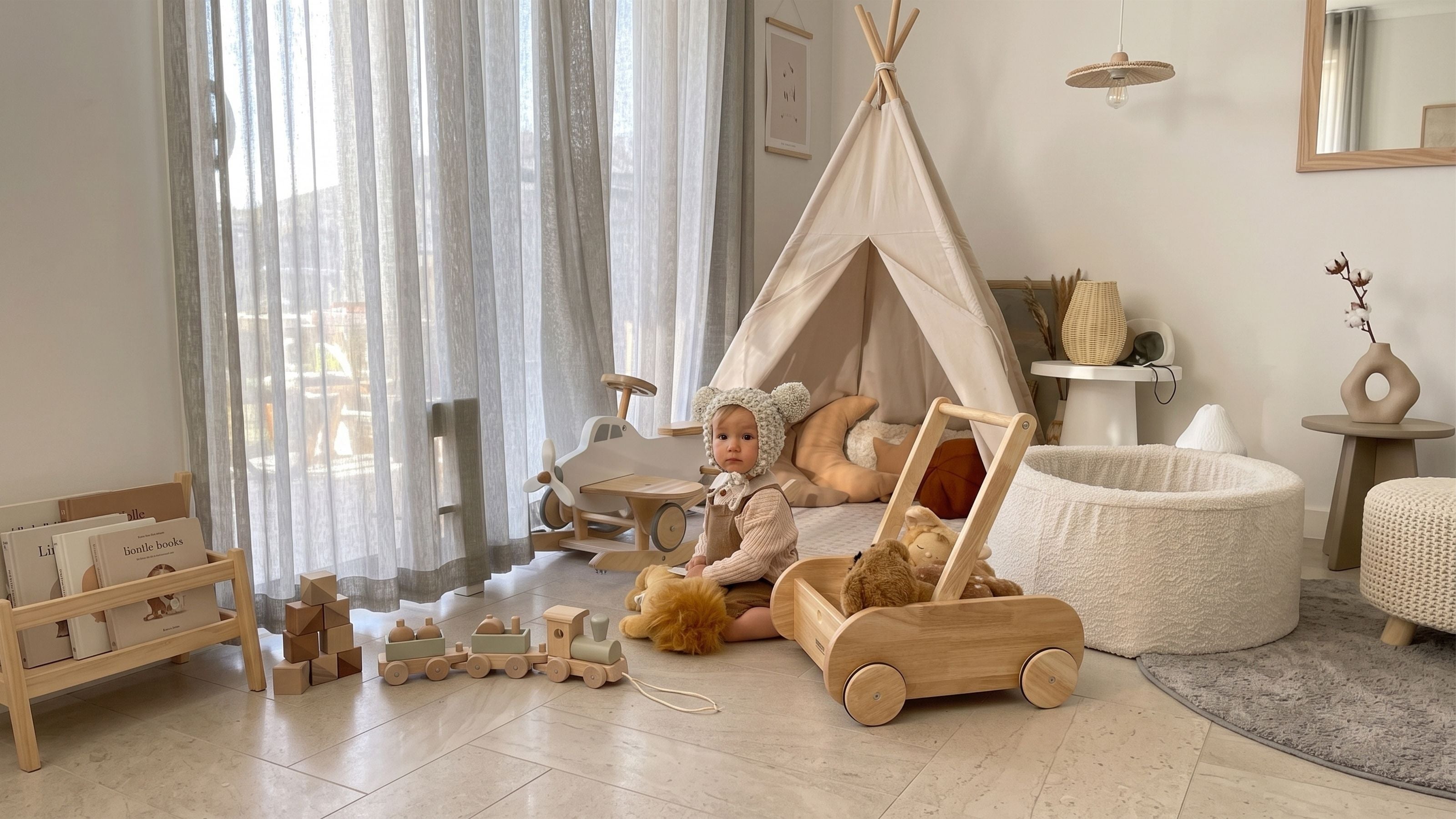
Look for a wooden "push wagon" (the kind they stand behind) with a wide base.
-
Pro Tip for Kiwi Parents: Most push wagons are too light and can tip over when a beginner baby pulls up on the handle. To fix this, pop some heavy books—like the Hairy Maclary collection or a bag of rice—in the wagon tray. This weighs it down, turning it into a stable support bar.
Planning Ahead: The Best 1st Birthday Investment
While you are navigating the "pulling up" phase, many parents start planning for the next big leap: Independent Toddlerhood.
Once your baby is confidently standing and starting to cruise (usually around 12+ months), they will desperately want to see what you are doing up at the kitchen bench. This is when the "hold me!" whining starts.
To prepare for this, savvy parents often put a learning tower on their 1st Birthday Gift Registry. Unlike the makeshift supports used at 9 months, a height-adjustable tower is designed for the toddler years, allowing them to safely join in with baking and washing up. It’s the tool that turns a "clingy" baby into a "helpful" toddler—but for now, focus on those wobbly first pull-ups!
Essential Home Babyproofing: Safety First
As your baby becomes vertical, your safety checklist needs to change immediately:
-
Lower the Cot Mattress: As soon as your baby shows signs of pulling up, lower the cot mattress to the lowest setting to prevent falls.
-
Anchor Furniture: In NZ, where earthquakes are a reality, securing bookshelves and TV units to the wall is non-negotiable. A pulling baby can easily tip heavy furniture.
-
Clear the Edges: Remove hot drinks (that morning coffee!), tablecloths, and breakables from low tables.
When to seek help
If you are concerned about your child’s movement, trust your gut. You can contact:
-
PlunketLine: 0800 933 922 (24/7 support).
-
Healthline: 0800 611 116.
-
Your local GP or Plunket Nurse.
Watching your pēpi find their feet is a magical time. Enjoy the wobbles!





%20is%20no%20longer%20on%20the%20floor.%20They%20are%20w...)
Leave a comment
This site is protected by hCaptcha and the hCaptcha Privacy Policy and Terms of Service apply.